Palm Bay Tree Removal – Top Tree Service Company, Arborist, & Tree Pruning

Palm Bay Tree Removal – Top Tree Service Company, Arborist, & Tree Pruning

What Does an Arborist in Palm Bay FL Do and Why Are They Essential for Tree Pruning?

tree service company palm bayWhen it comes to maintaining the health, safety, and aesthetics of trees, a certified arborist plays an indispensable role. These professionals bring extensive knowledge and expertise in tree care practices, ensuring that pruning is carried out correctly and effectively. Understanding their qualifications and contributions can help you appreciate why hiring a certified arborist is critical for proper tree pruning.

Who Is a Certified Arborist?

A certified arborist is a trained professional with specialized knowledge in the art and science of tree care. They are accredited by organizations such as the International Society of Arboriculture (ISA) after meeting rigorous educational, training, and testing requirements.

  • Tree biology and physiology: Understanding how trees grow, respond to stress, and recover from damage.
  • Pruning techniques: Knowing when to prune, how much to remove, and which methods promote optimal growth.
  • Pest management: Identifying insects or diseases that threaten tree health.
  • Risk assessment: Recognizing structural issues that may pose safety hazards.

Arborists stay up-to-date on best practices through continuing education to ensure they provide the highest standard of care.

Why Are Certified Arborists Essential for Tree Pruning?

Tree pruning is not just about removing branches; it’s a precise practice that requires careful planning based on the species of the tree, its condition, location, and specific goals for pruning.

  1. Knowledge-Based Decisions
    Arborists understand the biology behind tree growth cycles. They know which branches should be pruned to encourage healthy development while avoiding unnecessary stress on the tree.
  2. Preservation Over Damage
    Incorrect or aggressive pruning can lead to long-term damage such as decay or weak limb structure. Arborists employ methods like crown thinning or deadwood removal that enhance health without harm.
  3. Safety Expertise
    Large trees or those located near structures require precision work that minimizes risks during pruning procedures. Certified arborists are trained in safe climbing techniques and use advanced equipment to protect property and personnel.
  4. Customized Care Plans
    Every tree has unique needs based on its species, age, size, location within the landscape, and external threats (e. g. , pests). An arborist tailors their approach accordingly rather than applying generic practices.

Common Tree Pruning Techniques Utilized by Certified Arborists

Pruning Technique Purpose
Crown Thinning Improves light penetration and airflow through selective branch removal
Crown Reduction Reduces overall size while maintaining natural shape
Deadwood Removal Eliminates dead or decaying branches for safety
Structural Pruning Shapes young trees for stronger future growth

Benefits of Hiring a Certified Arborist

  • Longer lifespan due to healthier growth patterns.
  • Improved safety by addressing hazardous limbs.
  • Enhanced visual appeal tailored to landscape aesthetics.
  • Protection from pests or diseases through proactive interventions.

Certified arborists do more than prune—they safeguard your investment in trees while fostering greener urban landscapes responsibly. Whether it’s shaping young saplings or managing mature specimens in need of renewal cuts, their expertise guarantees optimal outcomes every time.

Expert Palm Bay Tree Service for Large Tree Issues and Pruning Solutions

Large trees are an essential part of a healthy ecosystem and can greatly enhance the beauty of your property. However, they come with their own unique set of challenges. Proper pruning is a crucial strategy to address these issues while ensuring the tree remains healthy, safe, and aesthetically pleasing. Below, we discuss some common problems associated with large trees and provide effective pruning solutions.

Expert Tree Pruning Service Palm Bay FL: Solving Common Large Tree Issues

Michael’s Tree Service
1232 Dawn St NE, Palm Bay, FL 32905
+13212947508

  1. Overgrown Branches:
    Over time, large trees may develop branches that extend too far, threatening nearby structures or power lines.
  2. Weak or Dead Limbs:
    Deadwood poses safety risks as it can fall unexpectedly and cause injury or property damage.
  3. Canopy Density:
    Excessively thick foliage reduces sunlight penetration to lower branches or surrounding plants, leading to poor growth.
  4. Diseased or Infested Sections:
    Pests and diseases often spread through unchecked limbs, compromising the overall health of the tree.
  5. Structural Problems:
    Poor branch attachment points or co-dominant stems can make a tree more susceptible to splitting or breakage during storms.

Crown thinning primarily involves removing select branches throughout the canopy to reduce density while maintaining the tree’s natural shape.

  • Improved airflow through the canopy.
  • Enhanced light penetration for lower branches and plants beneath.
  • Reduced weight on heavy limbs, lowering the risk of limb failure.
  • Prevents accidents caused by falling branches.
  • Minimizes opportunities for pests and decay to spread within the tree.
  • Removes low-hanging limbs to improve clearance.
  • Allows better access for people and vehicles without harming the tree’s health.
  • Focus on removing competing leaders (e. g. , co-dominant stems) early on.
  • Strengthen branch attachment points by encouraging balanced growth patterns.

Table: Quick Reference – Issues vs Solutions

Tree Issue Recommended Solution Benefits
Overgrown Branches Crown Thinning Reduces risk of property damage
Weak/Dead Limbs Deadwood Removal Ensures safety; prevents pest spread
Dense Canopy Crown Thinning Improves airflow & sunlight
Diseased/Infested Sections Targeted Pruning Stops disease progression
Structural Problems Structural Pruning Promotes long-term stability

Best Practices for Large Tree Pruning

  1. Use Proper Tools:Always use sharp, clean tools appropriate for branch size to ensure clean cuts that heal well.
  2. Avoid Topping:Topping severely weakens trees by removing large sections of foliage indiscriminately; opt for selective pruning instead.
  3. Timing Matters:Prune during dormant seasons (fall/winter) when possible to minimize stress on the tree.
  4. Call in Professionals:For large-scale pruning needs or complex structural corrections, consulting an experienced arborist is highly recommended.

With careful planning and precise execution of these strategies, common challenges with large trees can be resolved effectively while promoting their health and longevity over time.

Comprehensive Arborist Tree Services for Optimal Pruning Results

Tree pruning is a critical practice to ensure trees remain healthy, safe, and visually appealing. While some property owners may take on the task themselves, hiring certified arborists for comprehensive tree services offers unparalleled advantages. These professionals are equipped with the knowledge, tools, and experience to provide tailored pruning solutions that meet the specific needs of each tree.

Why Choose Comprehensive Arborist Services?

Certified arborists bring a wealth of expertise in tree biology, growth patterns, and structural integrity.

  • Tree Health Assessment: Arborists evaluate the overall health of trees to identify diseases, pest infestations, or structural weaknesses that could affect pruning decisions.
  • Customized Pruning Techniques: By understanding each species’ growth habits, arborists apply techniques like crown thinning or deadwood removal to promote optimal health.
  • Long-Term Maintenance Plans: Arborists help property owners create pruning schedules that address seasonal needs and ensure consistent care.

Essential Tree Pruning Techniques

Arborist-led pruning focuses on maintaining both the aesthetic appeal and structural soundness of trees.

  1. Removal of dead, dying, or diseased branches.
  2. Prevents decay from spreading while allowing more light and air circulation.
  3. Elimination of lower branches to increase clearance for buildings or pathways.
  4. Improves visibility and reduces safety hazards.
  5. Reducing the overall size of a tree’s canopy without compromising its natural shape.
  6. Ideal for reducing storm damage risks or controlling overgrown trees near power lines.
  7. Focuses on younger trees to guide their growth into strong structures.
  8. Prevents future issues such as poor branch attachments or uneven weight distribution.
Technique Purpose Benefits
Crown Cleaning Remove unhealthy branches Improves tree health and safety
Crown Raising Increase clearance beneath canopy Reduces conflicts with structures
Crown Reduction Reduce size while maintaining structure Minimizes storm damage risk
Structural Pruning Shape young trees for strong frameworks Enhances long-term stability

The Role of Specialized Equipment

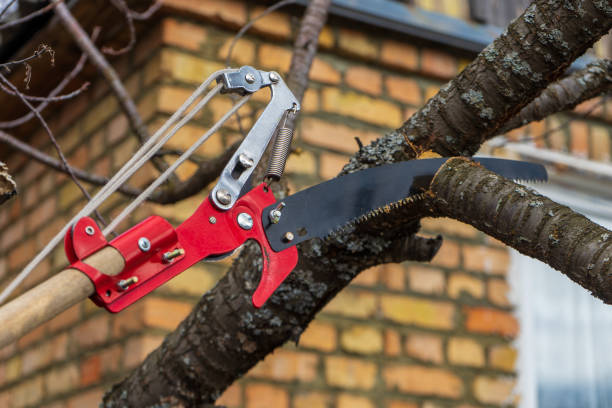
  • Pole Saws & Loppers: For accessing higher branches without climbing unnecessarily.
  • Climbing Equipment: Includes harnesses, ropes, and spikes used as needed during large-scale pruning operations.
  • Chainsaws & Hand Saws: Essential for cutting through thicker limbs safely while maintaining precision.

These tools ensure that even challenging tasks are completed effectively without undue harm to the tree or surrounding property.

Benefits of Hiring Certified Arborists

  • Enhanced tree health through expert care practices.
  • Improved safety by eliminating weak or hazardous branches.
  • Aesthetic benefits from precision shaping tailored to your landscape goals.
  • Compliance with local regulations regarding protected species or tree permits.

Investing in professional arborist services guarantees optimal results by combining scientific knowledge with practical expertise—ensuring your trees thrive for years to come while contributing beauty and functionality to your outdoor spaces.

Why Tree Pruning Is a Worthwhile Investment for Healthier, Safer Trees

Tree pruning is not merely a cosmetic service—it plays a critical role in ensuring the health, safety, and longevity of your trees. Investing in professional tree pruning can offer various benefits that go beyond improving the aesthetics of your landscape. Below is an exploration of how this practice contributes to healthier and safer trees, making it an essential component of long-term tree care.

Benefits of Tree Pruning

  1. Pruning removes dead, diseased, or damaged branches, which helps prevent the spread of decay and pathogens throughout the tree.
  2. Proper thinning ensures better airflow and sunlight penetration to inner limbs and leaves, promoting photosynthesis and overall vitality.
  3. By addressing structural issues early on through strategic cuts, you can reduce stress on specific branches and promote balanced growth.
  4. Weak or overgrown branches pose a significant risk during storms or high winds. Pruning minimizes this hazard by eliminating unstable limbs.
  5. Proper pruning reduces the likelihood of interference with power lines, roofs, fences, or other nearby structures.
  6. A well-maintained tree has less potential to drop debris unexpectedly, reducing liability risks in public or private spaces.
  7. Selective cutting can trigger the development of new shoots or branches where they are most needed.
  8. Seasonal pruning stimulates growth cycles while allowing trees to allocate nutrients efficiently.
  9. Removing deadwood and shaping the canopy improves the visual appeal of both individual trees and your entire landscape.
  10. Well-pruned trees contribute to curb appeal by creating a polished look for residential or commercial properties.
  11. Regular maintenance prevents structural weakness caused by overcrowding or competing branches.
  12. Healthy trees are more resilient against pests, diseases, and harsh environmental conditions.

Key Techniques Used in Professional Tree Pruning

Technique Purpose Examples
Crown Thinning Improves light penetration & airflow Removing smaller branches evenly
Crown Raising Increases vertical clearance Removing lower limbs selectively
Crown Reduction Reduces size while maintaining shape Trimming outer edges uniformly
Deadwooding Removes dead/dying wood Cutting off lifeless branches only

Professional arborists know how to apply these techniques appropriately based on species-specific requirements and site conditions.

Long-Term Cost-Effectiveness

  • Preventing extensive damage caused by falling branches avoids hefty repair bills.
  • Maintaining healthy trees reduces treatment costs associated with pest infestations or diseases.
  • Extending the life expectancy of mature trees eliminates premature removal expenses.

By incorporating professional tree pruning into your routine care schedule, you not only support ecological health but also protect your property’s value over time—making it truly worth every dollar spent.

How Professional Tree Pruning Elevates the Health and Longevity of Your Landscape

Professional tree pruning is a critical aspect of maintaining a healthy, aesthetically pleasing, and sustainable landscape. While it may seem like a simple task, proper pruning involves more than just cutting branches. It requires expertise, careful planning, and precision to ensure that trees not only survive but thrive for years to come.

Benefits of Professional Tree Pruning

  • Promotes Tree Health: Removing dead, diseased, or damaged branches prevents decay-causing fungi from penetrating the tree. This promotes healthier growth by redirecting nutrients to essential parts of the tree.
  • Enhances Safety: Overgrown or weak branches can pose safety hazards during storms. Proper pruning minimizes these risks by removing potentially dangerous limbs.
  • Improves Aesthetic Appeal: Expertly pruned trees enhance the visual balance and symmetry of your landscape, giving it a polished appearance.
  • Boosts Sunlight Penetration: Thinning out dense foliage allows sunlight to reach lower branches and nearby plants, improving overall growth conditions within your garden.
  • Increases Lifespan: By eliminating stress points on trees caused by overgrowth or poor structure, professional pruning extends their life expectancy.

Key Techniques Used by Professionals

Certified arborists use specific techniques tailored to enhance both the structure and health of trees.

  1. Crown Thinning: Selective removal of branches to reduce density while maintaining the natural shape. This improves air circulation and light penetration.
  2. Crown Raising: Removal of lower limbs to provide clearance for pedestrians, vehicles, or structures beneath the tree.
  3. Deadwood Removal: Cutting away dead or decaying branches that may harbor pests or diseases.
  4. Crown Reduction: Reducing the size of an overly large canopy while retaining its shape and structural integrity.
Technique Purpose Outcome
Crown Thinning Reduce density Improved airflow and light penetration
Crown Raising Increase clearance Enhanced functionality underneath
Deadwood Removal Eliminate decaying material Prevents disease spread
Crown Reduction Shrink overly large canopy Maintains health while controlling size

Signs That Your Trees Need Pruning

  • Branches are crossing or rubbing against one another
  • The canopy appears too dense, blocking sunlight
  • Dead or broken limbs are visible
  • Tree structure looks unbalanced
  • Branches grow too close to utility lines or buildings

Why Hire Professionals Instead of DIY?

  • Incorrect cuts can weaken trees or lead to infections.
  • Large-scale pruning requires specialized tools and equipment not readily available in most households.
  • Professionals have in-depth knowledge about species-specific needs and optimal timing for trimming.

By entrusting this task to professionals equipped with training and expertise, you gain peace of mind knowing that your trees are being cared for in a way that boosts their vitality while protecting surrounding elements in your yard.

Investing in professional tree pruning services is not just about keeping up appearances; it’s about nurturing long-term health for your landscape’s most valuable assets—your trees.

Professional Tree Removal Company Palm Bay FL: Expert Solutions for Large Tree Care

Pruning large trees is a task that requires expertise, proper tools, and a deep understanding of tree biology. Whether the goal is to enhance the tree’s aesthetics, ensure safety, or promote healthier growth, precision pruning plays a critical role. Below is a detailed guide on effectively removing or shaping large trees with care and professionalism.

Why Precision Matters in Tree Pruning

Large trees require careful attention during pruning to avoid unnecessary damage and ensure their structural integrity. Poorly executed cuts can weaken the tree, allowing pests and diseases to invade.

  • Maintain the natural shape of the tree.
  • Encourage healthy branch development.
  • Reduce risks of overhanging limbs near structures or power lines.
  • Prevent over-pruning that could harm the tree’s long-term health.

Steps for Effective Large Tree Pruning

  1. Inspect its overall structure and health.
  2. Identify dead, diseased, or weak branches needing removal.
  3. Understand how pruning will impact its canopy and stability.
  4. Use sharp tools like pole pruners, loppers, or chainsaws for clean cuts.
  5. Disinfect tools between uses to prevent spreading diseases between branches.
  6. Cut just outside the branch collar (the swollen area where the branch meets the trunk) to aid in natural healing.
  7. Avoid leaving stubs or cutting into the trunk itself.
  8. Prune deciduous trees during their dormant season (usually late winter).
  9. Light pruning during active growth periods may be necessary for specific species but should be done with caution.

When Removal Is Essential

In some cases, shaping may not address underlying issues with large trees.

  • The tree poses significant safety hazards due to instability or disease.
  • It’s leaning dangerously toward structures or utility lines.
  • Storm damage has compromised its structural integrity beyond repair.

Benefits of Hiring Certified Arborists for Large Trees

Benefit Description
Safety Protocols Arborists use industry-standard techniques for safe climbing and equipment usage.
Knowledge of Tree Biology They understand how different species respond to pruning methods and timing.
Specialized Tools Professionals have access to advanced tools like cranes for larger branches if needed.

Best Practices for Shaping Large Trees

  • Thin Out Crowded Branches:Create space in dense canopies by carefully removing select branches.
  • Elevate Lower Limbs:Remove low-hanging branches interfering with walkways or views.
  • Balance Asymmetrical Growth:Address uneven growth patterns by shaping areas that lean heavily in one direction.

Precision pruning ensures your large trees remain both beautiful and safe while fostering their longevity through sustainable practices performed correctly from start to finish.

The Key Role of Proper Tree Pruning in Promoting Sustainable Landscapes

Tree pruning is more than just an aesthetic practice; it plays a crucial role in fostering sustainable landscapes. Thoughtful and precise pruning not only ensures the structural integrity of trees but also supports environmental health. Below, we explore how proper tree pruning can contribute to sustainability and create thriving ecosystems.

Encourages Healthy Tree Growth

Regular and strategic pruning removes weak, dead, or diseased branches that could otherwise hinder a tree’s growth.
– Trees can focus their energy on producing healthier foliage, flowers, and fruit.
– New growth is directed toward strong, well-positioned branches that support overall structural stability.
– Pruning reduces competition for sunlight within the canopy, ensuring even distribution of light to all parts of the tree.

Reduces Risks to People and Property

Trees that are left unpruned may pose safety hazards due to falling limbs or branches that grow too close to structures such as homes or power lines.
– Damaged or overgrown branches are removed before they become dangerous.
– Trees maintain their natural shape while avoiding interference with infrastructure.
– Properly pruned trees are less likely to succumb to storm damage.

Enhances Biodiversity

Tree pruning directly supports biodiversity by creating conditions for wildlife habitats and promoting healthy ecosystems:
– Removing dead wood provides space for new habitats essential for birds, insects, and other wildlife species.
– Pruning encourages flowering and fruiting patterns, offering food sources for pollinators like bees and butterflies.
– Well-maintained trees contribute shade and wind protection for surrounding plants, fostering diverse vegetation.

Conserves Resources Through Longevity

A well-pruned tree is more likely to thrive over its lifetime, reducing the need for replacement planting or extensive maintenance:
| Benefit | Impact on Sustainability |
|————————–|——————————————-|
| Disease prevention | Lower risk of pests spreading |
| Structural soundness | Fewer removals due to storm damage |
| Extended lifespan | Reduced demand for replanting |

By maintaining healthy trees through regular pruning practices, communities can conserve resources while enjoying long-term environmental benefits.

Supports Carbon Sequestration Efforts

Healthy trees play a significant role in absorbing carbon dioxide from the atmosphere—a critical factor in combating climate change.
– Increasing leaf surface area where photosynthesis occurs efficiently. – Preventing premature tree decline caused by neglect or disease. – Enabling trees in urban spaces to act as “green lungs” that purify the air.

Simple Guidelines for Sustainable Pruning Practices

To maximize these benefits while supporting sustainability goals, follow these fundamental guidelines during your pruning efforts:
1.Prune During Dormant Seasons– Late winter or early spring minimizes stress on the tree. 2.Remove Only What’s Necessary– Avoid over-pruning as it can weaken the tree’s structure. 3.Use Clean Tools– Sanitize tools between cuts to prevent disease spread. 4.Consult an Arborist– Professional input ensures correct techniques based on species-specific needs.

By prioritizing proper techniques and consistent care through thoughtful pruning practices, you contribute not just to healthier individual trees but also promote resilient landscapes capable of thriving sustainably over time.

The Key Role of Proper Tree Pruning in Promoting Sustainable Landscapes

Proper tree pruning plays a vital role in fostering sustainable landscapes, as it not only enhances the health and visual appeal of trees but also contributes to the broader ecological balance. By carefully managing how trees grow and interact with their environment, informed pruning practices support biodiversity, prevent resource waste, and ensure long-term landscape resilience.

Benefits of Proper Tree Pruning for Sustainability

  • Enhanced Tree Health:By removing dead, diseased, or damaged branches, pruning reduces the risk of pest infestations and fungal infections. This promotes stronger growth while minimizing dependency on chemical treatments.
  • Increased Safety:Pruning improves structural stability by eliminating weak or overextended branches that could pose hazards during storms or high winds. This protects people and property while reducing clean-up efforts.
  • Optimal Light Penetration:Strategic branch thinning allows light to reach understory plants and ground vegetation. This supports a diverse range of plant species that contribute to soil health and habitat creation.
  • Improved Carbon Sequestration:Healthy trees are more effective at capturing carbon dioxide from the atmosphere. Proper pruning ensures trees remain vigorous and continue contributing to carbon storage over time.

Best Practices for Sustainable Tree Pruning

  1. Prune During Dormancy:Pruning in late winter or early spring helps prevent stress on the tree while reducing the risk of spreading diseases.
  2. Use Clean Tools:Sanitizing tools before each cut avoids transmitting pathogens between trees.
  3. Focus on Structural Integrity:Remove branches selectively to enhance balance and reduce strain on key limbs without over-thinning the canopy.
  4. Avoid Topping Trees:Topping weakens trees and reduces their lifespan by exposing them to stressors like pests and decay.
  5. Align with Natural Growth Patterns:Respect each species’ natural form by shaping branches to match its growth tendencies rather than forcing an unnatural shape.

Broader Environmental Impact

Benefit Ecological Impact
Habitat Preservation Maintaining healthy trees supports bird nests, insect pollinators, and other wildlife habitats
Soil Conservation Strategically pruned canopies reduce soil erosion by improving wind resistance near root zones
Water Management Balanced canopies promote rainwater infiltration into soil rather than surface runoff

Partnering With Professionals

While DIY pruning may seem appealing for cost savings, hiring certified arborists ensures sustainable practices are followed without compromising tree vitality or environmental goals.

Investing in proper pruning not only enhances individual landscapes but also strengthens collective efforts toward creating greener urban areas and thriving ecosystems where biodiversity flourishes organically through thoughtful interventions.


Expert Tree Pruning Services by a Certified Arborist in Palm Bay FL

Tree Pruning Service Arborist Trimming Branches with Chainsaw Horizontal Subject: A tree surgeon arborist expert working on removing a tree branch with chain saw and heavy equipment. tree service stock pictures, royalty-free photos & images

Tree pruning is an essential practice for maintaining the health, safety, and aesthetic appeal of trees. While many homeowners may feel confident in performing basic maintenance themselves, working with a certified arborist brings a level of expertise and precision that ensures the best possible care for your trees. Understanding the value a certified arborist provides can help you make informed decisions about tree care on your property.

What is a Certified Arborist?

A certified arborist is a trained tree care professional who has obtained credentials from recognized organizations like the International Society of Arboriculture (ISA). These experts are well-versed in all aspects of arboriculture, including tree biology, proper pruning methods, and safety procedures. To achieve certification, they must pass rigorous exams and demonstrate experience in tree care practices. Moreover, they are required to stay updated on industry standards through ongoing education.

Why Expert Tree Pruning Matters

Expert pruning goes beyond merely cutting branches. It involves understanding both the needs of the tree and its surrounding environment. Poorly executed pruning can harm trees by causing stress or leaving them susceptible to disease and pests. A certified arborist ensures that every cut serves a purpose while preserving or enhancing the tree’s structural integrity.

  • Correct Techniques: Certified arborists use proper methods like thinning, crown raising, or deadwood removal based on each tree’s unique requirements.
  • Knowledge of Tree Health: They can identify signs of disease or decay and recommend actions to prevent further damage.
  • Risk Reduction: Pruning large or potentially hazardous limbs requires technical skill to ensure safety for both people and property.

Services Offered by Certified Arborists

Pruning Service Purpose
Deadwood Removal Eliminates dead or decaying branches to improve safety
Crown Thinning Reduces density to allow better air circulation
Crown Raising Removes lower branches for clearance
Structural Pruning Shapes young trees to promote strong growth patterns
Hazardous Branch Removal Mitigates risks posed by weak or overextended limbs

Benefits of Hiring an Expert

  • Enhanced Tree Health: Appropriate cuts promote faster healing and long-term vitality.
  • Improved Aesthetics: Professional shaping enhances curb appeal while maintaining natural growth patterns.
  • Safety Assurance: Trained professionals follow strict safety protocols when working at heights using specialized equipment.
  • Environmental Contribution: Healthy trees contribute positively to local ecosystems by improving air quality and providing habitat for wildlife.

Trusting Professionals with Your Trees

Trees are valuable assets that require knowledgeable care throughout their lifespan. Partnering with a certified arborist not only protects this investment but also fosters healthier landscapes for years to come. Their expertise guarantees thoughtful approaches geared toward sustainable growth and environmental stewardship.

By leaning on expert services rather than attempting DIY solutions, you’ll not only protect your own property but also contribute to safer communities where properly maintained trees thrive naturally in harmony with their surroundings.

Why You Should Choose Palm Bay Tree Service for Your Tree Pruning Needs

Professional Tree Pruning Service in Palm Bay, FL

  • Knowledge of tree biology and growth patterns.
  • Understanding of proper pruning techniques specific to different tree species.
  • Awareness of how to promote healthy growth without causing harm.

Expert Tips for Tree Removal Palm Bay FL Residents Can Trust

  • Crown Thinning: Removing select branches to allow better air circulation and light penetration.
  • Crown Raising: Trimming lower branches to provide clearance for pedestrians or vehicles.
  • Deadwooding: Removing dead or dying branches that pose safety risks or hinder growth.
  • Structural Pruning: Encouraging strong branch architecture in younger trees.

These methods not only improve tree health but also ensure longevity.

Pruning Technique Purpose Benefits
Crown Thinning Improve airflow & light penetration Reduces disease risk; enhances growth
Crown Raising Clearance for movement below Enhances safety; maintains aesthetics
Deadwooding Remove dead/dying branches Prevents accidents; reduces decay spread
Structural Pruning Shape young trees Promotes strong framework; reduces future issues

Safety Considerations

  • Safe operation of climbing equipment and saws.
  • Identification of hazardous conditions before pruning work begins.
  • Efficient removal of large limbs without endangering people or property.

Long-Term Cost Savings

  • Proper pruning reduces the likelihood of storm damage caused by weak branches.
  • Healthy trees require less frequent maintenance compared to those improperly trimmed.
  • Preventing pest infestations through expert care eliminates potential treatment costs.

Environmental Stewardship

Certified arborists understand their role in preserving the broader ecosystem while caring for individual trees. They use practices aligned with sustainable principles, such as avoiding excessive cutting that could disrupt wildlife habitats or stressing native species.

By hiring a certified professional, you ensure both your property’s beauty and its ecological balance are maintained responsibly.

In summary, certified arborists provide unparalleled expertise in managing tree health through proper pruning practices while prioritizing safety, cost-effectiveness, and environmental care. This combination makes them an invaluable resource when it comes to maintaining vibrant landscapes year-round.

What Is a Certified Arborist and How They Enhance Tree Pruning

Certified arborists are highly trained professionals who specialize in the care and maintenance of trees. They obtain their certification through rigorous education, testing, and ongoing training, usually through organizations such as the International Society of Arboriculture (ISA). These experts bring a wealth of knowledge to tree pruning practices, ensuring that trees are maintained in ways that promote their health, safety, and aesthetic appeal.

Understanding the Role of a Certified Arborist

  • Tree biology and growth patterns
  • Proper pruning techniques
  • Identifying signs of disease or infestation
  • Promoting tree safety by mitigating hazards
  • Soil management and nutrition for trees
  • Urban forest management practices

This expertise allows them to make informed decisions about what is best for each individual tree. Whether it’s removing dead branches or shaping young trees for healthy growth, certified arborists apply science-backed methods to their work.

How Certified Arborists Enhance Tree Pruning

  1. Tree Health Assessment
    Before making any cuts, certified arborists assess the overall health of the tree. This includes identifying weak or diseased branches that should be removed to prevent further damage.
  2. Correct Pruning Techniques
    Using improper pruning techniques can damage a tree or leave it vulnerable to pests and diseases. Certified arborists use methods such as thinning, raising, or reduction cuts to ensure the structure remains strong while optimizing growth.
  3. Risk Mitigation
    Overgrown branches can pose safety hazards by interfering with power lines or buildings. Arborists identify potential risks and remove problem areas without compromising the integrity of the tree.
  4. Encouraging Healthy Growth Patterns
    Strategic pruning ensures that younger trees grow with a balanced form and strong branch structure, reducing issues like weak crotches later in life.

Benefits Highlighted in a Table Format

Benefit Description
Improved Tree Health Removal of deadwood prevents decay; allows better nutrient allocation
Increased Safety Reduces risks posed by falling limbs
Enhanced Aesthetics Shapes trees for visual appeal
Prolonged Lifespan Regular maintenance reduces stress on older trees

Why Expertise Matters in Tree Pruning

  • Weak branch attachments
  • Excessive removal leading to stress
  • Entry points for pests or diseases

Certified arborists understand these risks deeply due to their training and certification process. By hiring an expert who adheres to industry standards like those set forth by ISA, property owners ensure their trees receive appropriate care tailored specifically for each species’ needs.

Ultimately, certified arborists go beyond basic trimming services—they bring expertise that enhances both immediate results and long-term benefits for your landscape investments.

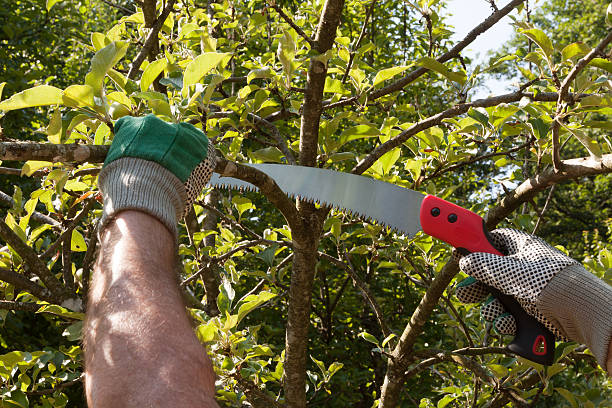
Cutting branches on apple tree use Garden pruning shears. Saw branch. Cut branch use branch saw. Cutting branches on apple tree use Garden saw. Trimming tree branch in rural garden. Pruning tree with clippers on backyard in village. Pruning tools for garden tree service stock pictures, royalty-free photos & images

Common Tree Pruning Services Offered by Certified Arborists

Certified arborists provide a range of tree pruning services that not only improve the appearance of trees but also ensure their long-term health and safety. These professionals have the training and expertise necessary to assess a tree’s unique needs and apply appropriate pruning techniques. Below, we’ll explore some of the most common tree pruning services offered by certified arborists.

Crown Thinning

Crown thinning is a method used to selectively remove branches to reduce density within the canopy. This service improves light penetration and air circulation, which are essential for the overall health and growth of trees. Key benefits of crown thinning include:
– Reducing the risk of branch failure during storms or high winds.
– Minimizing excessive shade that can inhibit plant growth below the tree.
– Allowing better distribution of resources like water and nutrients within the tree.

Crown Raising

Crown raising involves removing lower branches to increase clearance beneath the canopy. This technique is commonly used for trees in urban environments where branches might obstruct walkways, driveways, or structures. Benefits include:
– Enhancing accessibility for vehicles or pedestrians beneath the tree.
– Improving visibility in areas like streets or parking lots.
– Preventing damage to nearby buildings or infrastructure due to overhanging branches.

Crown Reduction

Crown reduction is employed when a tree has grown too large for its location, often posing safety risks or interfering with nearby structures or power lines. Certified arborists carefully shorten specific limbs while maintaining natural shape and structure. The advantages of crown reduction include:
– Preventing structural stress caused by overgrown branches.
– Preserving aesthetic appeal while managing size limitations.
– Reducing risks associated with falling limbs in storm-prone areas.

Service Purpose Benefits
Crown Thinning Reduce canopy density Improves airflow, reduces breakage
Crown Raising Increase clearance Accessibility & structural protection
Crown Reduction Manage size-related concerns Safety & aesthetic maintenance

Deadwood Removal

Over time, trees naturally shed dead or dying limbs due to environmental stressors like disease, pests, or age. Deadwood removal focuses on extracting these non-functional parts without harming healthy portions of the tree’s structure. Key outcomes include:
– Reducing risks posed by falling dead branches to people and property below. – Enhancing visual appeal by removing unsightly limbs. – Encouraging new growth by diverting energy previously wasted on decaying areas.

Structural Pruning

Structural pruning is particularly important for young trees as it helps establish a strong foundation for future growth. This service involves selectively removing competing stems or weak lateral branches that could compromise long-term stability as the tree matures: – Promotes uniformity in growth patterns. – Prevents major structural issues later in life. – Supports better resistance against environmental stressors like heavy snow or strong winds.

Hiring certified arborists ensures each type of pruning service is performed with precision and care tailored specifically for individual species’ needs—ultimately contributing toward healthier landscapes and safer surroundings alike.

Common Tree Pruning Services Offered by Certified Arborists

Certified arborists play a vital role in maintaining the health, safety, and appearance of trees. They are trained professionals with the knowledge and skills needed to perform a wide range of tree pruning services tailored to specific needs. Below, we delve into some of the most common tree pruning services offered by certified arborists.

Crown Cleaning

  • Improved Tree Health: Prevents the spread of disease or pests by eliminating infected parts.
  • Enhanced Aesthetic Appeal: Creates a cleaner and more attractive appearance for your landscape.
  • Minimized Risk: Reduces hazards posed by weak or broken branches falling unexpectedly.

Crown Thinning

  • Improved Growth: Allows sunlight to reach lower branches and surrounding plants.
  • Reduced Wind Resistance: Minimizes damage during storms by allowing wind to pass through more easily.
  • Enhanced Structural Integrity: Encourages balanced growth throughout the tree.

Crown Raising

Application Areas Benefits
Urban spaces Clear pathways for pedestrians
Driveways/roadways Improved vehicle clearance
Landscaped areas Enhanced visual appeal

Crown Reduction

  • Protection Against Damage: Prevents large limbs from overextending and breaking under stress.
  • Controlled Growth: Keeps trees proportionate to their surroundings.
  • Utility Line Safety: Reduces interference with power lines or structures.

Deadwooding

Deadwooding focuses on removing non-living sections of a tree that no longer serve any functional purpose but pose safety risks. Certified arborists can identify deadwood quickly and remove it efficiently.

Why it matters: – Prevents accidents caused by falling branches. – Improves overall aesthetics and reduces clutter in nearby areas. – Decreases susceptibility to pests that may inhabit decaying wood.

Structural Pruning for Young Trees (Formative Pruning)

Proper care during a tree’s early years can significantly impact its long-term health and form. Certified arborists use structural pruning techniques to guide young trees toward strong growth patterns.

Benefits include: 1. Developing a well-balanced branch structure. 2. Removing weak or competing stems early on. 3. Ensuring proper weight distribution as the tree matures.

Certified arborists are equipped with specialized training that ensures every cut they make serves a clear purpose—whether it’s improving safety, enhancing beauty, or promoting longevity in your trees’ lives.

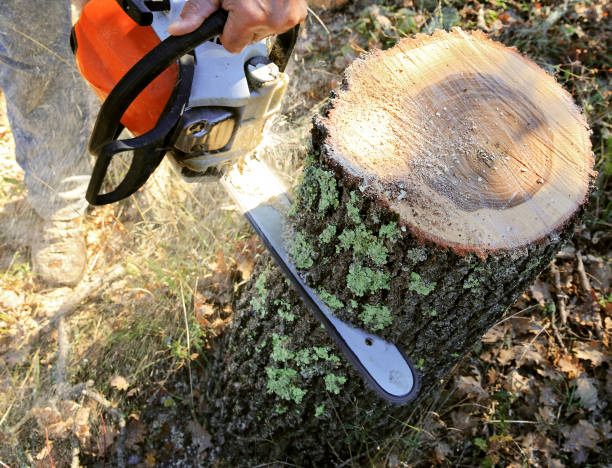
Chainsaw Professional is cutting trees using an electrical chainsaw tree service stock pictures, royalty-free photos & images

Expert Tips from a Tree Removal Company Palm Bay FL on Tree Pruning

Tree pruning is much more than simply cutting overgrown branches. It plays a critical role in maintaining the health, safety, and appearance of trees. While some homeowners may consider pruning as a DIY task, engaging a professional with specialized knowledge ensures the job is done correctly and safely. Certified arborists bring valuable expertise to the table when it comes to tree pruning, which can prevent costly mistakes and promote long-term tree health.

The Risks of Improper Tree Pruning

  • Tree Stress: Removing too much foliage at once can stress the tree, leading to reduced photosynthesis and overall vitality.
  • Weak Growth Patterns: Incorrect cuts may result in weak branch structures or improper growth patterns that could compromise the tree’s integrity over time.
  • Increased Susceptibility to Disease: Poor pruning techniques can leave open wounds on trees, making them vulnerable to pests or infections.
  • Safety Hazards: Without proper tools and knowledge, untrained individuals risk causing damage to property or injury to themselves while attempting high cuts or removing heavy limbs.

How Certified Arborists Address These Challenges

  1. Arborists assess the unique needs of each species before making cuts.
  2. They identify diseased or dead branches without compromising healthy areas.
  3. Specialists account for seasonal factors that affect recovery after pruning.
  4. Employing methods such as crown thinning, raising, reduction, or cleaning based on specific objectives (e.g., enhancing airflow or encouraging new growth).
  5. Using precise cuts at appropriate angles to prevent tearing or splitting bark.
  6. Certified arborists use specialized tools like pole pruners and climbing equipment designed for safe operations.
  7. They follow industry safety guidelines from organizations like ISA (International Society of Arboriculture).
Risk/Concern Approach by Certified Arborist
Over-pruning Limits removal to no more than 25% of foliage
Unbalanced structure Ensures even weight distribution across branches
Pest/Disease exposure Uses sterilized tools between cuts

Long-Term Benefits of Professional Expertise

  • Enhanced Tree Lifespan: Professional techniques minimize stress while promoting sustained health over time.
  • Increased Property Value: Trees maintained by experts contribute significantly to curb appeal and landscape aesthetics.
  • Reduced Maintenance Costs: Proper care reduces future risks such as storm damage or disease outbreaks.

By recognizing that tree pruning involves more than just cutting back branches, property owners can see the value in hiring experienced professionals like certified arborists who prioritize both short-term results and long-term benefits for trees.

Enhancing the Health and Longevity of Trees Through Proper Pruning Practices

Proper tree pruning is a critical element in promoting the health, safety, and longevity of trees. When executed correctly, it can help trees thrive for decades while maintaining their structural integrity and aesthetic appeal. Below, we explore how proper pruning practices can enhance tree health and ensure their long-term survival.

Key Benefits of Proper Tree Pruning

  • Improved Air Circulation: By removing crowded or overlapping branches, pruning allows better airflow through the canopy. This reduces the risk of fungal diseases that thrive in damp conditions.
  • Enhanced Sunlight Penetration: Eliminating excessive foliage improves sunlight exposure to lower branches and nearby plants, supporting photosynthesis and overall growth.
  • Removal of Dead or Diseased Wood: Cutting away dead, damaged, or diseased branches prevents decay from spreading to healthy parts of the tree.
  • Structural Stability: Proper pruning helps balance a tree’s weight distribution by selectively removing weak or heavy limbs prone to breaking during storms.

Common Techniques in Tree Pruning

  1. Focuses on removing crowded branches within the canopy.
  2. Improves light penetration and reduces wind resistance.
  3. Involves trimming lower branches to create clearance under the canopy.
  4. Beneficial for pedestrian safety or landscaping purposes.
  5. Reduces overall size by shortening long limbs back to lateral branches.
  6. Ideal for reducing stress on aging or oversized trees.
  7. Specifically targets dead or decaying wood.
  8. Prevents hazards like falling limbs while improving appearance.
Technique Primary Purpose Example Application
Crown Thinning Improve light/air flow Large shade trees
Crown Raising Increase ground-level clearance Urban areas with sidewalks/roadways
Crown Reduction Decrease canopy size Mature trees near structures
Deadwooding Remove unsafe/dead materials All types of trees

Tips for Effective Pruning

  • Use clean, sharp tools to avoid creating jagged cuts that leave wounds susceptible to pests or infections.
  • Avoid over-pruning as excessive removal of foliage can starve a tree by limiting its ability to photosynthesize effectively.
  • Focus on making cuts at branch collars rather than flush against trunks; this promotes natural healing processes without leaving large scars.
  • Time pruning during dormant seasons (late winter) unless addressing hazardous issues requiring immediate attention.

Why Professional Expertise Matters

Improper techniques—such as topping (removing large portions of upper branches)—can severely stress trees and shorten their lifespan. This highlights the importance of hiring trained professionals like certified arborists who understand how different species respond to specific pruning practices.

By following these guidelines or engaging expert services for routine maintenance needs tailored uniquely toward each landscape scenario’s requirements—you’ll help ensure optimal growth conditions beneficial not only aesthetically but structurally functional long-term asset sustainability too!

How an Arborist in Palm Bay FL Can Improve Your Property with Expert Tree Pruning

Garden saw for cutting branches of cherry bush overgrown with lichen. Pruning of fruit trees with lopper. Spring or autumn work in garden. Gardening concept Garden saw for cutting branches of cherry bush overgrown with lichen. Pruning of fruit trees with lopper. Spring or autumn work in garden. Gardening concept. tree pruning stock pictures, royalty-free photos & images

Regularly pruning your trees goes far beyond simple yard maintenance. It can significantly improve the aesthetic appeal of your property while increasing its overall value. Whether you’re preparing to sell your home or simply wish to maintain a well-kept landscape, tree pruning plays a vital role in achieving these goals.

Enhancing Curb Appeal

  • Improved symmetry: Removing uneven or overgrown branches gives trees a balanced, attractive shape.
  • Healthier foliage: By eliminating dead or diseased branches, trees produce fuller and greener leaves.
  • A cleaner landscape: Regular trimming reduces debris such as fallen branches, leaves, or fruit that can clutter your yard.

Boosting Property Value

  • Well-maintained landscaping: A tidy yard with manicured trees makes a strong first impression on potential buyers.
  • Prevention of hazards: Removing weak or low-hanging branches minimizes the likelihood of accidents that could devalue your property.
  • Improved visibility: Pruning allows key features of your home—such as architectural details or a scenic view—to stand out more prominently.

Preventing Overcrowding

  • Giving smaller plants access to sunlight and nutrients.
  • Preventing damage caused by competing root systems.
  • Maintaining clear walkways for improved accessibility.

Practical Tips for Maximizing Benefits

Tip Description
Prune regularly Aim for annual pruning to maintain consistent growth and health.
Follow tree cycles Trim during dormant seasons (often late winter) for optimal results.
Use proper tools Invest in quality equipment like sharp shears and saws for precise cuts.
Hire professionals when needed For large trees or specialized care, consult certified arborists.

Investing time into regular tree pruning not only beautifies your property but also creates long-term financial benefits by maintaining healthy and attractive landscapes over time.

Promoting Growth and Longevity with Expert Palm Bay Tree Service

Proper tree pruning is an essential practice for promoting the sustained growth and health of trees. When done effectively, pruning not only helps trees achieve their full potential but also ensures they remain a valuable part of your landscape for decades to come. This process is both an art and a science, requiring careful consideration of timing, technique, and the specific needs of each tree species.

Enhance Tree Growth with Our Tree Pruning Service in Palm Bay FL

Pruning is more than just trimming branches—it’s a targeted approach to managing a tree’s health and structure. By removing dead, damaged, or diseased branches, resources like water and nutrients are redirected toward healthy parts of the tree. This encourages new growth while reducing stress on the overall structure.

When done correctly, pruning can:
– Stimulate the production of new buds and foliage.
– Improve airflow within the canopy to prevent fungal diseases.
– Strengthen structural integrity by removing weak or overcrowded branches.

Essential Tips for Tree Removal Palm Bay FL: When Timing Matters

Season Best Practices for Pruning Example Species
Late Winter/Early Spring Focus on structural shaping before heavy growth begins. Maple, Birch
Summer Remove deadwood or damaged limbs to support healthy midsummer growth. Oak, Pine
Fall Light pruning; avoid heavy cuts as trees prepare for dormancy. Fruit Trees

Avoid heavy pruning during late spring (when trees are producing energy through leaf formation) or just before winter (when open cuts may expose trees to frost damage).

Techniques That Foster Longevity

  1. Crown Thinning: Selectively remove small branches throughout the crown to improve light penetration and airflow.
  2. Crown Raising: Eliminate lower branches to create clearance while maintaining balance.
  3. Deadwooding: Remove all dead and decaying limbs that attract pests or diseases.
  4. Targeted Cuts: Always prune back to a lateral branch or bud instead of leaving stubs that encourage decay.

Incorrect methods—such as topping (cutting off large portions indiscriminately)—can stress trees unnecessarily and lead to long-term structural instability.

Supporting New Growth with Proper Tools

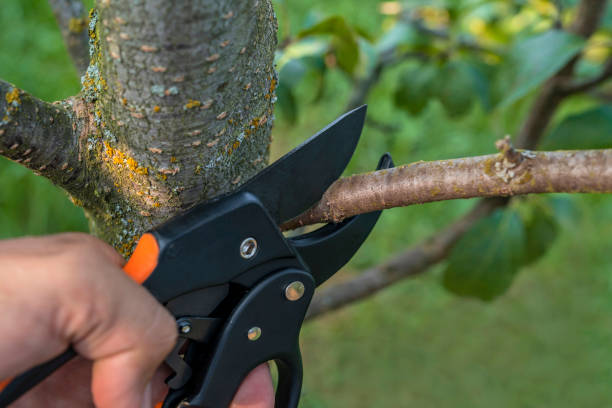
  • Pruning Shears – Ideal for small branches up to ¾ inch thick.
  • Loppers – Useful for medium-sized limbs that are between ¾ inch and 2 inches thick.
  • Pruning Saws – Essential for larger limbs requiring precise cuts.
  • Pole Pruners – Designed for high-reaching branches without using ladders.

Ensure all tools are sharp and sanitized before use—dull blades can cause ragged cuts that slow healing while unclean equipment may spread disease between plants.

Effective pruning practices promote not just immediate aesthetic value but also ensure your trees thrive in both health and longevity over time—becoming reliable assets in your outdoor environment year after year.

Encouraging New Growth and Longevity Through Effective Tree Pruning

Tree pruning is more than just a matter of aesthetics; it plays a critical role in promoting the health, growth, and longevity of your trees. Proper pruning techniques provide long-term benefits by encouraging robust growth patterns, reducing stress on the tree, and mitigating risks associated with weakened branches or overgrowth. Below, we explore how effective tree pruning can foster new growth and extend the lifespan of your trees.

How Pruning Encourages New Growth

  • Redirecting Resources: By eliminating non-essential or damaged branches, trees can redirect nutrients and energy to healthy limbs and foliage.
  • Stimulating Dormant Buds: Pruning cuts near lateral buds encourage dormant buds to sprout and grow into new branches.
  • Improving Airflow and Light Penetration: Thinning out dense canopies allows sunlight to reach lower branches while improving airflow within the crown. This creates an environment conducive to photosynthesis and overall vitality.

Extending Longevity Through Proper Pruning

Healthy trees are more likely to withstand environmental stressors such as storms, droughts, pests, or diseases. When performed correctly, tree pruning reduces risks that could compromise a tree’s structural integrity or lifespan.

  • Preventing Structural Weaknesses: Removing crossing or rubbing branches early prevents wounds that could become entry points for pathogens.
  • Reducing Overcrowding: Thinning dense areas reduces strain on main branches while minimizing potential breakage caused by excess weight.
  • Enhancing Root Development: Crown thinning can reduce competition for resources between roots and canopy growth.

Gardener pruns the fruit trees by pruner shears. Farmer hand with garden secateurs on natural green background. Gardener pruns the fruit trees by pruner shears. Farmer hand with garden secateurs on natural green background. tree pruning stock pictures, royalty-free photos & images

Key Types of Pruning for Growth and Longevity

Different pruning techniques address various aspects of tree care. The specific approach depends on factors such as species type, age of the tree, season, and desired outcomes.

Pruning Type Description Benefits
Thinning Selective removal of smaller limbs throughout the crown Improves light penetration, airflow, and overall balance
Deadwood Removal Cutting away dead or dying wood Reduces infection risk; redirects nutrients
Crown Raising Removing lower limbs Increases clearance beneath the tree while encouraging upward growth
Structural Pruning Shaping young trees for sound architecture Prevents future structural problems

Common Mistakes That Can Hinder New Growth

  • Over-pruning: Excessive removal of foliage can stress the tree by reducing its ability to photosynthesize effectively.
  • Topping: Cutting back large portions of a canopy disrupts natural growth patterns and weakens structural integrity.
  • Improper Timing: Not all species respond well to pruning at any time of year—prune certain varieties during dormant seasons for optimal results.

When done thoughtfully using proper techniques tailored to your specific trees’ needs, pruning encourages productive new growth while ensuring their long-term survival.

Enhance Your Property with a Trusted Tree Removal Company Palm Bay FL

Proper tree pruning is essential not only for the health of your trees but also for enhancing the aesthetics and functionality of your outdoor spaces. By strategically removing specific branches and foliage, you can create an environment that allows more natural light to penetrate while improving visibility in your yard or property. Below, we explore how proper pruning can achieve these benefits.

How Tree Pruning Increases Natural Light

Dense tree canopies can block sunlight from reaching the ground, creating dark or shaded areas in your garden or home. Pruning helps to thin out these overgrown sections of a tree while preserving its structure and appearance.

  • Crown Thinning: A common pruning method where small branches from the outer canopy are removed. This allows sunlight to filter through evenly without compromising the overall shape of the tree.
  • Reducing Overhang: Overhanging branches near windows, patios, or gardens can obstruct sunlight. Removing these branches improves interior lighting and enhances outdoor space usability.
  • Improved Plant Growth: Shrubs, flowers, and grass beneath trees benefit from increased exposure to sunlight after proper pruning.

The result is a brighter, more inviting property that feels open and connected to nature.

Creating Better Visibility Through Pruning

Trees that are not regularly pruned may grow branches that obstruct views on your property. Whether it’s blocking sightlines to scenic vistas, pathways, or even security cameras, improper visibility can detract from both safety and aesthetics.

  • Raising the Crown: By removing lower limbs on a tree trunk, visibility beneath the canopy is improved. This technique is particularly effective for yards adjacent to roads or walkways.
  • Shaping Trees Strategically: Expert arborists often reshape trees to provide clear sightlines without damaging their natural growth patterns.
  • Reducing Dense Foliage: For properties with dense vegetation near fences or driveways, thinning out heavy foliage makes it easier to see surroundings clearly.

This attention to visibility not only enhances safety but also contributes to a well-maintained landscape design.

Benefits of Increased Light and Visibility

Benefit Description
Enhanced Property Value Well-pruned trees make properties more attractive and marketable.
Improved Safety Clear sightlines reduce risks of accidents around paths or driveways.
Energy Efficiency Allowing more sunlight into homes reduces dependency on artificial lighting.
Healthier Ecosystem Increased light promotes healthier plants growing underneath trees.

Hiring Professionals for Optimal Results

While small-scale pruning may seem manageable as a DIY project, achieving optimal light penetration and visibility often requires expert knowledge. Professional arborists understand how each cut impacts overall tree health and appearance while ensuring compliance with local regulations regarding protected trees.

With careful planning and execution by professionals, you’ll enjoy a brighter outdoor space with enhanced functionality without risking damage to your trees’ long-term health.

Increasing Natural Light and Visibility with Proper Tree Pruning

Effective tree pruning is not only essential for the health and longevity of trees but also plays a significant role in enhancing natural light and improving visibility around your property. When done correctly, proper pruning techniques can transform a space, making it more open, inviting, and functional. Here’s how strategic tree pruning achieves these benefits.

How Tree Pruning Increases Natural Light

  • Improves Indoor Lighting: Trees near windows or rooftops can obstruct sunlight from entering your home. Pruning creates an opportunity for natural sunlight to brighten interior spaces.
  • Supports Lawn Health: Shade-tolerant plants may survive beneath dense tree canopies, but most lawns and garden plants require adequate sunlight to thrive. Pruning reduces excessive shading and encourages healthier grass and plant growth.
  • Encourages Solar Energy Use: If you use solar panels on your property, overgrown trees may diminish their efficiency by casting shadows on them. Strategic trimming can maximize energy production by ensuring optimal sunlight exposure.

Enhancing Visibility Through Tree Pruning

  • Improved Views: Unchecked tree growth can obscure scenic views around your home or obstruct sightlines toward gardens, landscapes, or outdoor amenities. Removing select branches restores these views while maintaining the beauty of the trees.
  • Safety Concerns: Overgrown limbs that hang near driveways, sidewalks, or roads can restrict visibility for drivers and pedestrians alike. Proper pruning ensures safer navigation by clearing obstructions.
  • Security Benefits: Dense foliage may create hiding spots that reduce outdoor security. Thinning out lower branches improves visibility across your property while deterring potential intruders.

Key Techniques for Effective Tree Pruning

Technique Purpose
Crown Thinning Removes select branches throughout the canopy to improve light penetration without altering overall shape.
Crown Raising Removes lower branches to improve vertical clearance for pedestrians, vehicles, or sightlines.
Crown Reduction Shortens the height or spread of a tree while maintaining a balanced structure.

Benefits for Property Aesthetics

  • Well-maintained trees with balanced shapes complement landscaping design.
  • Sunlight filters beautifully through pruned canopies during daytime hours.
  • Enhanced views contribute to a sense of openness that boosts curb appeal.

By addressing overgrowth in key areas of your property through professional pruning techniques, you not only enjoy improved lighting conditions but also ensure long-term safety and beauty around your space.


Why Every Homeowner Should Consider Hiring a Professional Arborist for Tree Pruning

Branch pruning photo shooting with experimental angles tree pruning stock pictures, royalty-free photos & images

Tree pruning is a critical aspect of maintaining the health, safety, and aesthetic value of your property. While it may seem like a task that can be handled on your own, hiring a professional arborist offers significant advantages. Here’s why every homeowner should consider this option for their tree care needs.

Expertise and Specialized Knowledge

  • Assess the health of your trees accurately.
  • Identify structural weaknesses or potential hazards.
  • Understand the unique pruning needs of various tree species.

For example, while some trees benefit from regular pruning throughout the year, others may only require trimming during specific seasons. Attempting to prune without this knowledge might damage the tree or stunt its growth.

Safety Concerns

  • Proper safety gear such as harnesses and helmets.
  • Specialized tools like pole saws and chainsaws.
  • Experience in managing risks like falling branches and proximity to power lines.

Homeowners attempting DIY pruning often underestimate these dangers. By hiring an expert, you ensure both your personal safety and that of your property.

Long-Term Health of Your Trees

  • Over-pruning that weakens the tree structure.
  • Cutting too close to the trunk (flush cuts), which prevents proper wound healing.
  • Leaving stubs that become entry points for pests and diseases.

Arborists follow industry-approved methods to ensure every cut promotes healthy growth while maintaining the structural integrity of your trees.

Enhancing Property Value

  1. Shape trees to complement landscaping designs.
  2. Remove dead or unsightly branches that detract from aesthetics.
  3. Ensure healthy growth that boosts overall property attractiveness.

Investing in expert care today can yield significant returns if you decide to sell your home in the future.

Prevention of Common Problems

Common Problem How an Arborist Helps
Pests infestations Identifies early signs & mitigates risks
Storm damage Prunes weak branches before storms hit
Root damage from poor pruning Uses proper techniques to protect roots

Proactive measures taken by a professional reduce costly repairs down the road.

Environmental Benefits

Healthy trees contribute significantly to local ecosystems by providing shade, improving air quality, and supporting wildlife habitats. An experienced arborist ensures your trees thrive naturally while avoiding harm caused by untrained interventions.

Peace of Mind

Perhaps one of the most valuable aspects of hiring a professional is peace of mind. Knowing that an expert is handling your tree care means fewer worries about potential mistakes or unforeseen consequences.

By entrusting this task to skilled professionals, homeowners protect their investment while reaping numerous benefits—both practical and aesthetic—for years to come.

The Benefits of Hiring an Arborist to Handle Your Tree Pruning Needs

Tree pruning is an essential aspect of maintaining the health, safety, and aesthetic appeal of your trees. While some may attempt to take on this task themselves, hiring a professional arborist offers a range of benefits that ensure the job is done properly and efficiently. Here’s why investing in professional expertise can make all the difference.

1. Expertise in Tree Health and Growth

Arborists are trained professionals with a comprehensive understanding of tree biology. They know how to prune trees in a way that promotes healthy growth while minimizing stress on the plant. Incorrect pruning methods can lead to long-term damage, disease susceptibility, or even tree death.

  • Targeted Cuts: Arborists identify specific branches that need removal without compromising the tree’s structure.
  • Disease Management: They can detect early signs of diseases or pests and advise on treatments during the pruning process.
  • Seasonal Knowledge: Different species require pruning at different times; arborists ensure timing aligns with your tree’s growth cycle.

2. Enhanced Safety for You and Your Property

Tree pruning often involves working at heights with heavy tools or equipment, making it inherently risky for untrained individuals. Professionals have the skills and gear needed to handle these challenges safely.

  • Proper Equipment: Arborists use specialized tools like pole saws, climbing ropes, and harnesses designed specifically for tree care tasks.
  • Risk Mitigation: They assess potential hazards such as weak limbs near power lines or overhanging branches that could damage buildings during storms.
  • Insurance Coverage: Reputable arborists carry liability insurance, which protects you from financial responsibility in case of accidents or property damage.

3. Improved Aesthetic Value

A well-pruned tree contributes significantly to your property’s curb appeal. Poorly executed cuts can result in unsightly shapes or uneven branch distribution, detracting from your landscape’s beauty.

Professional Pruning Benefits DIY Challenges
Creates balanced shapes Risk of over-pruning
Encourages symmetrical branch growth May leave stubs or jagged edges
Enhances flowering/fruit production Lack of knowledge about species-specific needs

4. Long-Term Cost Savings

  • The need for emergency storm damage cleanups caused by weak limbs left unpruned.
  • Expensive treatments for diseases resulting from improper cutting techniques.
  • Premature removal and replacement costs if a tree becomes unsalvageable due to poor maintenance.

5. Sustainability Practices

Professional arborists often prioritize eco-friendly approaches to tree care. They aim to maintain biodiversity by preserving native species and using methods that minimize environmental impact.

By hiring an arborist for your tree pruning needs, you are not only safeguarding your trees’ health but also investing in safety, aesthetic value, sustainability, and long-term cost efficiency for your property’s landscape management needs.

The Benefits of Hiring an Arborist to Handle Your Tree Pruning Needs

Hiring a professional arborist for tree pruning offers numerous advantages, both for the health of your trees and the overall aesthetic appeal of your property. While some homeowners may consider pruning their trees on their own, entrusting this task to a certified arborist ensures safety, precision, and exceptional results. Below is an overview of why hiring an arborist for tree pruning is a smart investment.

Expertise in Tree Health and Growth

  • Proper pruning techniques that promote healthy growth.
  • How to identify diseases or pests that may affect your trees.
  • The best timing for pruning specific tree species.
  • How to shape trees without compromising structural integrity.

Their expertise helps ensure that every cut contributes positively to the longevity and beauty of your trees rather than causing unnecessary stress or damage.

Enhanced Safety for You and Your Property

  • Safely remove dead or overhanging branches that may pose risks during storms.
  • Use specialized equipment like climbing gear, harnesses, and pole saws.
  • Prevent damage to surrounding property structures such as fences, roofs, or power lines.

This level of safety is particularly important when heavy branches are involved or when trees are located near high-risk areas.

Improved Curb Appeal and Property Value

  • A more polished and inviting outdoor space.
  • Increased property value due to aesthetically pleasing landscaping.

According to studies on landscaping’s impact on real estate value, mature, well-cared-for trees can raise property values by as much as 10%–20%.

Cost Savings in the Long Run

Common Issues Prevented by Arborists Potential Costs Without Professional Help
Damage from falling limbs Roof repair: $500–$1,500
Unchecked diseases spreading Tree removal: $1,000–$3,000
Improper DIY pruning causing decline Tree replacement: $200–$2,000 per tree

By addressing potential problems proactively through proper pruning techniques, arborists minimize long-term expenses.

Environmental Stewardship

  • Trees continue providing oxygen and shade.
  • Habitats for birds and other wildlife are maintained.

This approach aligns with environmentally conscious landscaping practices that benefit not only homeowners but also broader ecological systems.

When Should You Hire an Arborist?

  1. Dead or diseased branches affecting your tree’s structure.
  2. Overgrown limbs interfering with power lines or buildings.
  3. Storm damage requiring immediate attention for safety reasons.
  4. A desire to improve aesthetics without jeopardizing long-term health.

In summary, enlisting a certified arborist brings expertise tailored specifically to tree care while ensuring safety and cost efficiency—qualities that make them invaluable professionals for homeowners everywhere seeking effective tree maintenance solutions.

Arborist vs Landscaper – Choosing the Best Expert for Your Tree Pruning Projects

When it comes to maintaining and improving the health, appearance, and safety of your trees, selecting the right professional can make all the difference. Two common options homeowners often consider are arborists and landscapers. While both provide valuable services, their expertise and focus differ significantly. Understanding these differences is crucial when deciding who to trust with your tree pruning needs.

Key Differences Between Arborists and Landscapers

Aspect Arborist Landscaper
Primary Focus Tree health, structure, and safety Garden aesthetics and general landscaping
Expertise Level Specialized training in arboriculture Broader knowledge of planting/design
Certifications (Common) Certified Arborist (ISA) No specific certification for tree care
Tools Used Specialized pruning tools and safety gear General gardening equipment
Tree Problem Diagnosis Can identify disease, pests, or structural issues in trees Limited ability to diagnose tree-specific problems

Why Hiring an Arborist is Ideal for Tree Pruning

  1. Arborists are trained to assess a tree’s overall health. They understand species-specific requirements to ensure proper pruning techniques are applied.
  2. They can identify early signs of disease or structural issues that may not be obvious to untrained individuals.
  3. Pruning large or mature trees often involves working at heights with heavy equipment. Arborists are equipped with safety gear and follow industry standards to minimize risks during pruning tasks.
  4. Improper pruning by unqualified individuals can lead to hazardous scenarios such as falling branches or weakened tree structures.
  5. Unlike landscapers who may focus on aesthetic trimming, arborists prune with the long-term growth and health of the tree in mind.
  6. Techniques like crown thinning or deadwood removal help maintain a balanced canopy while promoting sustained vitality.
  7. Many municipalities have rules regarding tree preservation and removal. Certified arborists are familiar with these regulations and ensure compliance when performing any pruning work.

Situations Where a Landscaper May Be Appropriate

  • General garden maintenance such as planting flowers or shrubs.
  • Aesthetic trimming of smaller ornamental trees that do not require extensive knowledge of tree biology.
  • Landscape design projects focused on creating visually appealing outdoor spaces.

However, it’s important to note that landscapers lack the specialized training needed for diagnosing or resolving significant tree issues.

Factors to Consider When Choosing Between an Arborist or Landscaper

  • Is the task primarily focused on ensuring the health or structural integrity of my trees?
    If yes, opt for an arborist.
  • Does my project involve general landscaping without complex tree care needs?
    In this case, a landscaper may suffice.
  • Am I dealing with a potentially hazardous situation (e.g., overgrown branches near power lines)?
    Choose an arborist trained in risk assessment and mitigation.

Selecting the best expert ultimately depends on your specific needs. For anything related to pruning large trees or addressing health concerns within your landscape’s canopy, an arborist is undoubtedly the most qualified choice. Their deep understanding of trees ensures not only immediate results but also long-term benefits that protect both your property value and natural surroundings.

Shortening of a tree trunk. The cutting of large diameter wood is facilitated by the use of a mechanical saw. tree pruning stock pictures, royalty-free photos & images

How a Tree Removal Company Palm Bay FL Can Help Prepare Your Trees for Harsh Winter Conditions

Winter can be a challenging season for trees, especially when temperatures drop drastically, and heavy snow or ice accumulates on branches. Preparing your trees for these conditions through proper pruning is essential to ensure their health and structural integrity. Below, we’ll explore how to effectively prune trees before winter arrives.

Why Winter Preparation Is Crucial

  • Preventing Damage: Snow and ice accumulation can weigh down weak or dead branches, causing them to break and potentially harm the tree—or worse, surrounding property or individuals.
  • Encouraging Growth: Proper pruning allows resources within the tree to be directed toward healthier branches, promoting robust growth in the spring.
  • Reducing Risks of Pests and Disease: Deadwood and damaged branches are often entry points for pests and pathogens during winter. Removing them minimizes future infestations or infections.

Best Practices for Winter Tree Pruning

  • Time It Right: Late autumn or early winter is an ideal time for pruning most tree species as they enter dormancy. Dormant trees are less prone to stress and infections caused by cuts.
  • Inspect Before Pruning: Examine your tree for signs of deadwood, disease, or structurally weak limbs. Focus on addressing these issues first.
  • Remove Dead or Damaged Branches: Deadwood should always be removed since it can’t withstand heavy snow loads. Similarly, trim diseased branches to prevent further spread.
  • Thinning the Canopy: For dense trees, selectively thinning some of the smaller interior branches reduces the overall surface area exposed to snow and wind.
  • Maintain Structural Integrity: When pruning larger limbs, always cut at a branch collar (the swollen area where the limb joins the trunk) to help the wound heal properly.

Tools Required

Tool Purpose
Pruning Shears Ideal for small twigs or thin branches
Lopping Shears Useful for medium-sized branches
Hand Saw Necessary when cutting through thicker limbs
Pole Pruner Great for high branches without requiring a ladder

Ensure all tools are sharp and sterilized before use to make clean cuts and reduce risks of infection.

Common Mistakes To Avoid

  1. Over-pruning: Cutting too many live branches can weaken your tree’s ability to survive cold conditions.
  2. Improper Cuts: Avoid leaving stubs or cutting too close—both scenarios make it harder for wounds to heal.
  3. Pruning Late in Winter: By late winter or early spring, many species begin budding; pruning during this period may stunt new growth.

Professional Assistance

While DIY pruning is feasible for small tasks, complex jobs—especially involving large trees—are better left to certified arborists who are trained in proper techniques and safety protocols.

By investing time into correctly preparing your trees through strategic pruning now, you’re not only protecting them from harsh weather but also setting them up for healthy growth come springtime.

Recognizing the Importance of Professional Help in Maintaining the Health of Your Trees Through Pruning

Trees are an essential part of any landscape, providing shade, enhancing aesthetics, and improving air quality. However, ensuring their health and longevity requires proper care, especially through tree pruning. While some homeowners may attempt to handle pruning tasks on their own, seeking professional help is crucial to maintain the integrity and health of your trees. Below, we’ll explore why expert assistance is so vital when it comes to pruning.

Why Professional Pruning Matters

  • Irreparable damage to the tree’s structure.
  • Increased vulnerability to pests and diseases.
  • Stunted growth or even death of the tree.

Qualified arborists possess the expertise required to assess each tree’s unique needs and apply pruning methods that encourage sustainable development while maintaining safety standards.

The Risks of DIY Tree Pruning

  1. Safety Hazards: Climbing tall trees or using heavy equipment without adequate training can lead to accidents or injuries.
  2. Tree Health Complications: Incorrectly trimming branches—such as cutting too close to the trunk or removing too much foliage—can weaken the tree.
  3. Legal Issues: In some areas, improperly pruning large trees near property lines or utility wires can lead to fines or liability for damages.

Benefits of Hiring Professional Arborists

  • Expertise in Diagnosis: Arborists can identify signs of disease, pest infestations, or structural problems early on.
  • Proper Equipment Usage: Professionals use specialized tools designed for safe and efficient pruning.
  • Customized Care Plans: Each tree varies in species and condition; arborists develop tailored strategies for optimal results.
  • Preventative Maintenance: Timely interventions by experts prevent minor issues from escalating into major problems.
Aspect Professional Arborist Services DIY Pruning Attempts
Expertise Certified knowledge of techniques Limited understanding
Safety Use of proper safety protocols Risky without training
Equipment Access to specialized tools Relying on basic tools
Long-Term Tree Health Promotes sustainable growth Potential for lasting damage

Indicators That Your Trees Need Professional Attention

  • Dead or broken branches posing safety risks.
  • Overgrowth causing interference with structures or power lines.
  • Signs of disease such as discoloration, fungus growth, or unusual leaf loss.
  • Branches crossing each other and causing abrasion wounds.

Final Thoughts

Investing in professional help for your tree pruning needs is not just about maintaining appearances—it’s about safeguarding the health and longevity of your trees while ensuring safety around your property. Experienced arborists bring valuable expertise that ensures every cut enhances rather than harms your landscape’s most valuable natural assets.

Essential Reasons Why Expert Tree Pruning is Vital for Property Owners Everywhere

Tree pruning is not merely an aesthetic task; it’s a critical practice that directly impacts tree health, property safety, and the overall appearance of your landscape. For property owners, scheduling expert tree pruning services can offer numerous advantages that go beyond maintaining visual appeal. Below are the primary reasons why professional tree pruning should be a priority for every property owner.

Promotes Tree Health and Longevity

  • The spread of diseases and pests can be effectively controlled.
  • Weak or structurally unsound limbs are removed, reducing strain on the tree.
  • Proper air circulation and sunlight penetration are enhanced.

Healthy trees are more resilient to environmental stressors such as storms or extreme weather conditions. This makes professional pruning an investment in long-term tree health.

Enhances Safety for Property and People

  • Prevention of branch failure: Weak branches are prone to breaking during windstorms or heavy snowfall.
  • Reduction in fire hazards: Deadwood or dry branches can act as fuel for fires if left unaddressed.
  • Improved visibility: Clearing overgrown foliage from driveways, pathways, and intersections reduces accidents caused by obstructed views.

By removing hazardous limbs, certified arborists help create a safer environment for everyone on your property.

Boosts Curb Appeal

  • Trees maintain balanced shapes and symmetrical growth patterns.
  • Overgrown sections do not overshadow other elements of your landscape design.
  • Your property looks tidy and inviting throughout all seasons.

Whether you’re maintaining a residential yard or preparing a commercial space for clients, proper pruning delivers clear aesthetic benefits.

Supports Fruit Production in Certain Trees

  • Allowing sunlight to reach all parts of the canopy.
  • Eliminating unproductive branches that sap energy from fruit production.
  • Preventing overcrowding within the tree structure.

Expert arborists understand specific techniques tailored to each species’ unique requirements.

Prevents Structural Damage to Buildings

Unchecked tree growth can lead to significant damage over time when branches encroach upon buildings. Roots may also become problematic if trees grow too large. Professional arborists assess proximity issues during their work and provide solutions such as crown reduction or selective limb removal to protect nearby structures like roofs, windows, fences, or utility lines.

Table: Key Benefits of Professional Tree Pruning

Benefit Impact on Property
Improved Tree Health Disease prevention, stronger structure
Increased Safety Reduced risk of falling limbs
Better Aesthetics Enhanced landscape appearance
Higher Fruit Yield Optimized light/energy distribution
Protection for Structures Avoid structural damage

Expertise Matters

While some tasks around the yard might seem manageable without specialized knowledge, tree pruning requires precise techniques and tools that only trained professionals possess. Certified arborists understand how improper cuts could weaken a tree’s integrity or leave it exposed to disease. By hiring experts with experience in safe practices like climbing techniques or equipment use (e.g., pole pruners), you’re safeguarding both your investment in landscaping and the well-being of your trees.

Pruning Saw Pruning an apple tree with pruning saws tree pruning stock pictures, royalty-free photos & images

Expert Tips for Choosing Palm Bay Tree Service Professionals for Effective Tree Care

Selecting the right arborist for tree pruning is crucial for maintaining the health, safety, and aesthetics of your trees. Professional arborists bring specialized knowledge and skills to ensure that your trees grow strong, avoid disease, and complement your property. This guide will help you identify key factors to consider when hiring a qualified arborist for effective tree pruning services.

The Importance of Hiring a Qualified Arborist in Palm Bay FL

  • Permanent damage to your trees.
  • Increased risk of pest infestations or diseases.
  • Safety hazards from poorly managed branches.

Certified arborists are trained professionals who understand these challenges and provide tailored services for your specific needs.

1. Certification and Credentials

Look for certifications from reputable organizations like: – ISA Certified Arborist (International Society of Arboriculture)
Ensures the arborist has met industry standards in education and experience. – Tree Care Industry Association (TCIA) Accreditation
Indicates adherence to safety and professional practices.

2. Experience in Tree Pruning

Ensure the arborist has relevant experience in handling: – Different species of trees. – Seasonal pruning requirements. – Trees with specific challenges such as age or disease.

3. Insurance Coverage

Verify that the arborist is insured. This includes: – Liability insurance: Protects against accidental damage to your property. – Worker’s compensation insurance: Covers injuries sustained by workers on-site.

4. References and Reviews

Request references from recent clients or check online reviews on platforms like Google or Yelp. Consistent positive feedback speaks volumes about the quality of service provided.

Essential Questions to Ask Before Choosing Tree Removal Palm Bay FL Services

Prepare a list of questions to better evaluate their qualifications: 1. Can you provide proof of certification? 2. What type of equipment do you use? 3. How do you ensure safety during pruning? 4. Will you provide a written estimate before starting work?

These inquiries can help gauge the arborist’s professionalism and ensure they align with your expectations.

Red Flags to Watch For

Avoid hiring an arborist who: – Pressures you into unnecessary services. – Lacks any form of industry certification or insurance. – Offers extremely low estimates compared to competitors (this may signal subpar work).

Always trust professionals who are transparent about their practices and willing to discuss their credentials openly.

Sample Cost Breakdown for Tree Pruning Services

Service Type Average Cost Range Notes
Small Tree Pruning $75 – $300 Typically under 30 feet tall
Medium Tree Pruning $300 – $700 Between 30–60 feet tall
Large Tree Pruning $700 – $1,500+ Over 60 feet tall; requires advanced equipment

These figures can vary regionally but serve as general guidelines when budgeting for professional tree care.

Benefits of Working with Qualified Arborists

By choosing an experienced arborist for tree pruning services, homeowners gain: 1. Improved tree health through precise cuts that encourage proper growth. 2. Enhanced safety by removing hazardous branches near power lines or structures. 3. Aesthetic improvements that boost property value.

Investing in professional expertise ensures long-term benefits both environmentally and financially while protecting one of the most valuable features on your property—your trees.


Why Hiring Palm Bay Tree Service Experts Matters for Safe and Effective Tree Pruning

Man Pruning Tree tree pruning stock pictures, royalty-free photos & images

Tree pruning is an essential practice for maintaining the health, safety, and beauty of your trees. However, performing this task effectively requires specialized knowledge and skills that go beyond basic gardening techniques. This is where hiring a certified arborist becomes indispensable. Certified arborists possess the expertise and training necessary to ensure tree pruning is done both safely and effectively, benefiting both your property and the environment.

The Expertise of a Certified Arborist

Certified arborists are trained professionals who have met specific requirements outlined by organizations like the International Society of Arboriculture (ISA). Their qualifications ensure they understand tree biology, maintenance techniques, pest management, and the structural needs of different species.

  • Tree Anatomy: Knowing which branches to prune without causing harm to the tree.
  • Growth Patterns: Identifying how pruning will impact future growth and structure.
  • Species-Specific Needs: Tailoring pruning techniques based on the type of tree.

Why Safety Is Paramount in Tree Pruning

Improper tree pruning can lead to injuries, property damage, or even death in severe cases. A certified arborist minimizes these risks through their extensive training in safety procedures.

  1. Climbing Hazards
    Tree pruning often involves climbing tall trees or using heavy equipment like chainsaws at heights. Without proper training, this can result in serious accidents.
  2. Power Line Interference
    Trees near power lines pose significant safety concerns. Certified arborists know how to navigate these situations without endangering themselves or disrupting services.
  3. Weak Branches or Decayed Trees
    Decayed branches may break unexpectedly during pruning if handled improperly. Arborists assess structural integrity before cutting.

Benefits Beyond Safety

Benefit Description
Improved Tree Health Removing dead or diseased branches prevents decay from spreading further.
Aesthetic Enhancements Proper shaping promotes symmetry and enhances visual appeal.
Longevity Preservation Strategic cuts encourage stronger growth patterns for long-term stability.

Cost vs Value: Why Certification Counts

  • Avoid costly mistakes like over-pruning or damaging healthy trees.
  • Prevent property damage caused by falling branches or poor technique.
  • Preserve the long-term health of your trees—an investment in their longevity adds value to your landscape.

How to Verify Certification

  1. Request proof of ISA certification or similar professional qualifications.
  2. Check reviews or references from previous clients.
  3. Ensure they carry insurance for liability coverage during work on your property.

By choosing a certified professional with proven expertise, you prioritize both the well-being of your trees and the safety of everyone involved in maintaining them.

Transforming Your Landscape with Our Tree Removal Company Palm Bay FL

Tree pruning is more than just cutting branches; it’s a precise practice that can dramatically extend the life of a tree, enhance its health, and ensure its structural integrity. When done properly, expert pruning techniques can give trees a “second life” by restoring their vitality and keeping them strong for years to come. Below, we’ll explore some of the specialized methods used by professionals to breathe new life into trees.

Assessing the Tree’s Health and Needs

Before any pruning begins, it’s crucial to assess the tree’s overall condition.
– The extent of dead, diseased, or damaged branches.
– Structural weaknesses such as crossing or rubbing limbs.
– Growth patterns that may interfere with nearby structures or other trees.

A thorough evaluation ensures that every cut serves a purpose: improving the tree’s health and longevity.

Key Expert Pruning Techniques

  1. Purpose: Removing deadwood, diseased branches, or weak limbs from the canopy.
  2. Benefits: Reduces risk of decay and prevents pests from taking hold in weakened areas.
  3. Purpose: Selectively removing smaller branches throughout the canopy to improve airflow and light penetration.
    • Reduces wind resistance during storms.
    • Decreases inner canopy shading, promoting photosynthesis.
  4. Purpose: Shortening larger branches to reduce overall size while maintaining natural shape.
    • Protects structural integrity by reducing stress on heavy limbs.
    • Minimizes risks posed by overextended branches near buildings or power lines.
  5. Purpose: Addressing storm-damaged or improperly pruned trees by carefully reshaping them over time.
  6. Benefits:
    • Helps reshape disfigured trees back into healthy growth patterns.
    • Encourages balanced growth for long-term stability.

Timing Matters

While expert techniques are essential, timing also plays a critical role in giving trees a second life. Dormant seasons (late winter through early spring) are ideal for most pruning activities because it minimizes stress on the tree while promoting vigorous regrowth in warmer months.

Common Misconceptions About Tree Pruning

Many homeowners believe aggressive pruning will invigorate tree growth; however, excessive cuts can cause severe damage instead of rejuvenating the tree. Over-pruned trees may become susceptible to disease, pests, and structural failure over time.

Technique Best For Key Consideration
Crown Cleaning Dead/damaged/diseased wood Should not remove more than 25% of canopy
Crown Thinning Improving air/light conditions Focus mainly on smaller interior branches
Crown Reduction Size management Retain natural shape; avoid “topping”
Restorative Pruning Repairing storm/past damage Gradual approach often required

Long-Term Benefits of Expert Tree Pruning

Properly pruned trees experience numerous advantages that contribute to their longevity: – Improved Structure:Removing weak limbs encourages stronger branch formations.Enhanced Aesthetics:Trees maintain an appealing shape and proportional balance.Increased Safety:Reduces risks posed by falling branches near people or property.

By employing these expert techniques thoughtfully and strategically, arborists ensure that each cut benefits the tree rather than harming it—ultimately giving it that “second life” every homeowner desires for their landscape’s most valued greenery.

Expert Arborist Services in Palm Bay FL: Giving Trees a Second Life Through Pruning

Expert tree pruning plays a pivotal role in enhancing the health, safety, and aesthetics of trees. By employing precise techniques and understanding tree biology, professional arborists can extend the lifespan of trees, revitalize their growth, and reduce potential hazards. Below is an explanation of how expert pruning gives trees a “second life” and ensures their long-term vitality.

Understanding Tree Pruning Techniques

Professional tree pruning involves more than simply cutting away branches. Arborists carefully evaluate the structure, health, and species of the tree to determine the most effective approach.

  • Crown Cleaning
    This involves removing dead, diseased, or weak branches from the canopy to prevent decay and improve airflow.
  • Crown Thinning
    Selective removal of branches within the crown reduces excess weight and allows sunlight penetration for improved growth.
  • Crown Reduction
    By trimming back specific limbs or sections of the canopy, arborists reduce overall tree size while maintaining structural integrity.
  • Deadwooding
    Deadwood removal minimizes hazards like falling limbs while boosting the visual appeal of mature trees.

How Pruning Revitalizes Tree Health

Proper pruning stimulates growth in specific areas by redirecting nutrients to essential parts of the tree. This process prevents overcrowding within the canopy and enhances structural stability. A well-pruned tree is better equipped to resist pests and diseases due to improved circulation of light and air.

Benefits for Aging or Stressed Trees

For older or stressed trees that may appear beyond saving, expert techniques can often restore vitality.

Technique Benefit
Strategic limb removal Reduces stress on weakened trunks or roots
Targeted thinning Improves light access for lower branches
Disease management Prevents spread by removing affected sections

By addressing these issues early through professional assessment and pruning strategies, many trees can recover significant health over time.

Environmental Considerations

Pruning also contributes to environmental sustainability by preserving mature trees that would otherwise require removal. Healthy urban forests promote cleaner air and provide shade that reduces energy consumption in surrounding buildings.

Safety Implications

Trees with weak or overgrown limbs pose risks during storms or high winds. Expert pruning mitigates these risks by ensuring that no compromised branches remain in danger zones near homes or utility lines.

In summary, expert tree pruning breathes new life into struggling trees while fostering safety and ecological balance. The combination of scientific knowledge, precise techniques, and proactive care allows arborists to give countless trees a second chance at thriving for years to come.

gardener pruning old tree with pruning shears gardener pruning old fruit tree with pruning shears tree pruning stock pictures, royalty-free photos & images

Expert Tree Pruning Service Palm Bay FL: Ensuring Stronger, Healthier, and More Beautiful Trees

Proper tree pruning is an essential practice for both the health and aesthetics of trees. When done correctly, pruning helps trees grow stronger, improves their overall health, and enhances their visual appeal. Below, we discuss the critical aspects of tree pruning and how it contributes to a tree’s wellbeing.

Encouraging Stronger Growth

Pruning removes weak or unhealthy branches, allowing a tree to allocate its resources more effectively. By directing energy toward the development of strong limbs and healthy foliage, pruning helps trees establish better structural integrity.

  • Removing Dead or Diseased Wood: Eliminating compromised branches reduces the risk of decay or disease spreading throughout the tree.
  • Promoting Proper Branch Alignment: Well-spaced branches reduce stress on weaker points while ensuring balanced growth.
  • Strengthening Root Systems: Redirecting energy from unproductive limbs allows roots to grow deeper and sturdier.

By prioritizing strength over excess growth, pruned trees are better equipped to withstand environmental stressors such as wind or heavy snow.

Supporting Tree Health

Tree pruning plays a significant role in maintaining overall plant health by enhancing air circulation and light penetration within the canopy. This improves photosynthesis efficiency while reducing conditions that foster pests or diseases.

  • Preventing Fungal Growth: Better airflow minimizes moisture buildup that often leads to fungal infections like mildew.
  • Improved Nutrient Distribution: Removing unnecessary branches ensures nutrients are directed where they are most needed in the tree’s structure.
  • Facilitating Early Detection of Issues: Regular pruning allows arborists or property owners to spot potential problems like pest infestations early on.

Healthy trees are less prone to disease outbreaks and thrive longer when given proper care through regular maintenance practices such as pruning.

Enhancing Aesthetic Appeal

Pruning is also crucial for shaping a tree’s form to complement its surroundings while preserving its natural beauty. An attractive landscape not only adds curb appeal but can also increase property value over time.

  1. Creating Symmetry: Balanced trimming ensures trees maintain an even structure without overcrowding.
  2. Improving Canopy Density: Selective branch removal prevents excessive shading while promoting a fuller canopy.
  3. Maintaining Size Control: Routine cuts prevent uncontrolled growth that could interfere with nearby structures or utilities.

By combining functionality with aesthetics, well-pruned trees contribute positively both visually and practically.

Benefit Description
Stronger Growth Reduces weak points; improves root strength
Better Health Prevents disease spread; enhances nutrient flow
Aesthetic Value Creates visually appealing shapes; maintains symmetry

Avoiding Common Pruning Mistakes

  • Using improper tools may cause jagged cuts that invite pests or infection.
  • Pruning during inappropriate seasons might hinder recovery or trigger excessive stress on the plant.

Hiring experienced professionals ensures your trees receive expert care tailored specifically for their needs.

Properly pruned trees foster healthier ecosystems by providing shade, oxygen production, and habitats for wildlife — all while boosting property appeal through their beauty.

How Tree Removal in Palm Bay FL Can Promote a Healthier and Safer Landscape

Tree pruning is an essential aspect of tree care that not only enhances a tree’s aesthetic appeal but also ensures its long-term health and structural integrity. When done correctly, pruning encourages robust growth, prevents diseases, and contributes to the overall well-being of your trees. Below, we explore the benefits of proper tree pruning and how it promotes stronger, healthier, and more beautiful trees.

Encourages Healthy Growth

Pruning removes dead or diseased branches that can hinder a tree’s ability to grow properly. By eliminating these weak areas, the tree can redirect nutrients and energy toward healthy branches and new growth.

  • Crown thinning: Reduces the density of branches to increase sunlight penetration and air circulation.
  • Crown raising: Removes lower branches to promote upward growth while maintaining balance in mature trees.
  • Selective cutting: Targets damaged or overcrowded limbs to improve the overall structure.

Healthy growth is particularly important for young trees as they establish their framework for future development.

Reduces Risk of Disease

Dead or decaying branches are breeding grounds for pests and pathogens that can harm your trees. By removing these problem areas through proper pruning methods, you reduce the likelihood of infections spreading throughout the tree.

  • Pruning improves airflow between branches, which helps prevent fungal diseases caused by excess moisture.
  • Removing cross-branching limbs reduces friction wounds that can serve as entry points for pests or bacteria.

Enhances Structural Integrity

A well-pruned tree is less likely to suffer from structural failures during storms or strong winds. Techniques such as structural pruning involve shaping young trees to encourage a stable growth pattern while minimizing weak branch attachments in mature trees.

Type of Pruning Purpose Benefit
Structural shaping Guides young tree development Prevents future instability
Deadwood removal Eliminates weak/dying branches Reduces risk of branch failure
Weight balancing Adjusts uneven branch distribution Minimizes toppling during storms

By addressing structural concerns early on, you ensure a safer environment for both people and property around the tree.

Improves Aesthetic Appeal

Pruning plays an important role in preserving or enhancing a tree’s appearance within your landscape design. Removing overgrown or unsightly limbs rejuvenates the shape of a tree and allows its natural beauty to shine through.

  • Shaping ornamental species like Japanese maples or flowering cherries.
  • Controlling canopy size for uniformity in urban environments.
  • Removing suckers or water sprouts that detract from visual appeal.

An aesthetically pleasing tree not only adds value to your property but also creates harmony within surrounding landscapes.

Promotes Longevity

Trees thrive when given appropriate care tailored to their species-specific needs. Regular maintenance through professional pruning extends their lifespan by reducing stressors such as overcrowding, disease susceptibility, or nutrient competition within dense canopies.

Properly pruned trees are better equipped to withstand environmental challenges while providing decades—or even centuries—of shade, beauty, and ecological benefits.

In summary, proper tree pruning offers numerous advantages that go beyond visual appeal; it fosters healthier ecosystems while ensuring safety and longevity for your treescape assets.


Essential Tips for Palm Bay Tree Service and Healthy Tree Growth

Man cuts a fallen tree. Man cuts a fallen tree, Dangerous work. tree pruning stock pictures, royalty-free photos & images

Tree pruning is an essential practice that contributes to the overall health, structure, and longevity of trees. By carefully removing unwanted or problematic branches, you not only improve the tree’s aesthetic appeal but also encourage robust growth and prevent potential hazards. Below, we explore why tree pruning is vital for maintaining healthy trees.

Promotes Healthy Growth

Pruning supports healthy growth by removing dead, diseased, or damaged branches. These problematic branches can consume the tree’s energy and resources, hindering its overall development. Properly pruning your tree allows nutrients to flow efficiently to essential areas such as healthy branches and roots.

Key benefits include: – Improved air circulation: Allowing air to flow more freely through the canopy reduces moisture buildup and minimizes the risk of fungal diseases. – Better sunlight exposure: Removing crowded or overlapping branches ensures that sunlight reaches all parts of the tree evenly. – Encouragement of new growth: Cutting back overgrown sections stimulates the development of stronger and healthier shoots.

Enhances Structural Integrity

Unmanaged trees may develop weak or poorly structured branch systems. Regular pruning helps guide a tree’s growth pattern, ensuring it maintains a sturdy framework capable of withstanding harsh weather conditions like heavy winds or snow.

Structural benefits include: – Preventing uneven weight distribution that may lead to cracking or splitting. – Reducing risks associated with overextended limbs breaking under pressure. – Encouraging balanced growth for long-term stability.

Prevents Safety Hazards

Overgrown trees can pose risks to property, people, and infrastructure. Low-hanging or dead branches are especially hazardous during storms when they are more likely to fall. Pruning at regular intervals helps mitigate these risks by removing potentially dangerous limbs before they become an issue.

Examples of common safety concerns: | Issue | Potential Risk | |——————————-|—————————————–| | Dead branches | Falling debris causing injury or damage| | Overhanging power lines | Electrical hazards | | Dense canopies | Increased wind resistance leading to blowdowns |

Protects Against Diseases and Pests

Pruned trees are less susceptible to infestations and diseases. Removing infected parts prevents pathogens from spreading further within the tree or to neighboring plants.

Tips for disease prevention: – Use sanitized tools during pruning. – Prune during dormant seasons (late fall or winter) when pests are less active. – Avoid leaving large open wounds on the tree; make clean cuts close to branch collars for quicker healing.

Improves Aesthetics

In addition to health and safety benefits, pruning improves a tree’s appearance by shaping its canopy in a visually pleasing way. This is particularly important for ornamental trees in residential yards or public spaces. A well-maintained tree enhances curb appeal while providing shade and environmental benefits.

Tree pruning is not just about cutting unwanted parts—it’s about fostering healthy growth while ensuring safety and aesthetics. Incorporating regular pruning into your landscaping routine will keep your trees thriving for years while minimizing potential risks associated with neglect.

Tips from a Tree Removal Company Palm Bay FL: Tips from an Arborist in Palm Bay FL on Identifying Diseased Trees and Preventing Damage

Proper tree maintenance extends beyond simple pruning and trimming—it includes identifying and addressing issues like diseases. Diseased trees can impact not only the health of the individual tree but also nearby plants if left unchecked. Understanding the signs of disease and implementing preventive measures is essential for maintaining a healthy landscape.

Signs of a Diseased Tree

  • Yellow, brown, or spotted leaves outside of their natural seasonal cycles may indicate diseases such as anthracnose or blight.
  • Curling, shriveling, or early leaf drop can also signal fungal infections.
  • Brittle or bare branches that fail to produce new growth are often diseased.
  • Inspect these branches for cracks, peeling bark, or evidence of decay.
  • Sunken areas on the bark, known as cankers, suggest fungal infections that weaken the tree’s structural integrity.
  • The presence of mushrooms at the base indicates root rot.
  • Fungal bodies growing on bark might point to wood-decaying fungi.
  • Trees releasing excessive amounts of sap with a foul odor could signify bacterial infections.
  • Dark streaks on the bark might indicate stress caused by pests or diseases.

Common Tree Diseases

Disease Symptoms Affected Trees
Dutch Elm Disease Wilting leaves starting at branch tips Elms
Cedar Apple Rust Bright orange fungal spots on leaves Apples, Crabapples
Oak Wilt Leaf discoloration and rapid leaf drop Oaks
Powdery Mildew White powdery substance on foliage Many deciduous trees

Preventive Measures

  1. Regular Inspections:
    Periodically check your trees for early signs of disease. Doing so allows you to intervene before significant damage occurs.
  2. Proper Pruning Techniques:
    Remove infected branches immediately using sterilized tools to prevent spreading pathogens:
  3. Always sanitize your tools between cuts with rubbing alcohol or bleach solutions.
  4. Avoid cutting during wet weather when fungal spores are more active.
  5. Maintain Tree Health:
    A healthy tree is more resistant to infections:
  6. Water during dry spells but avoid overwatering.
  7. Apply mulch around the base (but not against the trunk) to retain moisture and regulate soil temperature.
  8. Fertilize in spring with an appropriate formula based on soil testing results.
  9. Tree Placement and Spacing:
    Crowded trees compete for resources and are more susceptible to disease spread:
  10. Ensure proper spacing during planting.
  11. Remove overcrowded undergrowth as necessary.
  12. Seek Professional Help:
    For advanced cases such as root rot or widespread fungal infestations, consult certified arborists who can assess risks and recommend treatment options like fungicides or targeted removal.

Importance of Early Action

Taking timely action when identifying diseased trees minimizes risks like: – Further spread within your yard or neighboring properties. – Structural instability leading to property damage from falling branches or trees.

By keeping a close watch for these indicators and taking proactive measures, you can safeguard both individual specimens and your overall landscape from unnecessary harm.

How to Identify Diseased Trees and Prevent Further Damage

Identifying diseased trees early is essential for maintaining the health of your landscape and preventing the spread of damage to surrounding vegetation. Tree diseases can weaken the structural integrity of trees, making them hazardous, while also affecting their aesthetic value. Here’s a detailed guide to identifying diseased trees and taking appropriate preventive measures.

Common Signs of Disease in Trees

  • Leaves turning yellow, brown, or curling unnecessarily during the growing season.
  • Uneven foliage distribution or sparse leaf coverage across branches.
  • Cracks, peeling bark, or cankers (sunken areas on the trunk or branches).
  • Presence of dark streaks or oozing sap from the bark.
  • Mushrooms growing at the base of a tree may indicate root rot.
  • Fungal spores or bracket fungi on branches signal decay inside the tree.
  • Branches that break off easily may indicate internal decay.
  • Presence of large amounts of deadwood without any signs of new growth.
  • Insects such as beetles or boreholes left by pests can spread disease.
  • Look for sawdust-like material (frass) on tree trunks caused by boring insects.

Steps to Prevent Further Damage

Once a diseased tree has been identified, taking timely action is critical. Here are effective steps to address current issues and prevent future outbreaks.

  1. Prune Affected Areas:
    Remove infected branches using proper pruning techniques to prevent disease from spreading further. Always sanitize pruning tools between cuts using rubbing alcohol or a solution of bleach and water (1 part bleach to 9 parts water).
  2. Improve Air Circulation:
    Thinning crowded areas within a tree canopy allows better airflow, which reduces humidity levels—an environment where many fungal diseases thrive.
  3. Water Properly:
    Overwatering can lead to conditions like root rot, while underwatering stresses the tree, making it more susceptible to infections. Maintain consistent watering practices based on species needs.
  4. Apply Mulch Strategically:
    Add mulch around the base but keep it away from direct contact with the trunk. This helps retain moisture while avoiding fungal buildup near roots.
  5. Use Disease-Resistant Species:
    If replacing trees, choose species known for their resistance to common diseases in your area.
  6. Implement Integrated Pest Management (IPM):
    Control pest populations without harming beneficial insects that naturally protect your trees from disease-spreading pests.

Common Tree Diseases and Their Symptoms

Disease Symptoms Treatment Options
Dutch Elm Disease Yellowing leaves; wilting branches Remove infected limbs; fungicidal injections
Powdery Mildew White powdery coating on leaves Improve air circulation; apply fungicides
Root Rot Mushy roots; stunted growth Reduce overwatering; improve soil drainage
Oak Wilt Brown leaf edges; early leaf drop Prune during dormant seasons; fungicides

Importance of Professional Assessment

While minor issues can often be addressed through regular maintenance practices, severe cases may require professional intervention. Arborists have specialized knowledge in diagnosing complex diseases and determining whether treatments like injections, chemical applications, or even complete removal are necessary.

Taking proactive steps not only saves individual trees but also promotes healthier ecosystems by reducing risks associated with widespread infections across landscapes. Always prioritize proper care methods tailored specifically for each species under your stewardship.

gardener pruning old tree with pruning shears gardener pruning old fruit tree with pruning shears tree pruning stock pictures, royalty-free photos & images

Understanding the Importance of Tree Pruning Service Palm Bay FL for Safe and Healthy Trees

Overhanging branches can pose a variety of challenges and opportunities for property owners. While they may provide shade, aesthetic appeal, and habitat for wildlife, improper management of these branches can result in safety hazards, property damage, and hindered tree health. Effective pruning techniques are essential to mitigate risks while maximizing the benefits.

Risks of Overhanging Branches

  • Property Damage: Branches hanging over rooftops, utility lines, or vehicles can break during storms or under the weight of snow and ice, causing costly damage.
  • Safety Hazards: Falling branches pose risks to pedestrians, pets, and structures below. Large or dead overhanging limbs are especially dangerous.
  • Pest Infestations: Overhanging branches that touch roofs or walls provide pathways for pests such as squirrels and insects to access homes.
  • Tree Health Issues: Unpruned overgrowth can block sunlight from reaching other parts of the tree canopy or surrounding vegetation. This can stunt growth and lead to weaker structural integrity.

Benefits of Proper Pruning Techniques

  • Enhanced Safety: Removing weak or dead limbs minimizes the risk of falling branches during adverse weather conditions.
  • Improved Aesthetics: Proper pruning maintains the natural shape of trees, contributing to a well-manicured landscape.
  • Promoted Tree Health: Eliminating overcrowded or crossing branches allows better air circulation and sunlight penetration throughout the tree.
  • Reduced Maintenance Costs: By addressing problematic limbs early on, property owners avoid more expensive repairs caused by unchecked growth.

Essential Pruning Techniques for Overhanging Branches

  1. Identify deadwood or damaged limbs that need immediate removal.
  2. Check for signs of disease before cutting to prevent spreading infections.
  3. Use sharp pruning shears for small limbs under 1 inch in diameter.
  4. For larger branches (over 2 inches), opt for loppers or a handsaw designed specifically for tree trimming.
  5. Make cuts at branch collars (the swollen area where the branch meets the trunk) to allow proper healing.
  6. Avoid flush cuts that damage bark tissue.
  7. Make an initial undercut several inches away from the trunk to prevent bark tearing.
  8. Create a second top cut further out on the branch until it falls off safely.
  9. Complete with a final cut just outside the branch collar.
  10. Remove no more than 25% of a tree’s canopy at one time to prevent stress on its health.

Table: Common Tools Used in Pruning

Tool Purpose Suitable For
Hand Pruners Cutting thin twigs Smaller ornamental trees/shrubs
Loppers Trimming medium-sized limbs Fruit trees/deciduous trees
Pruning Saw Cutting thick or mature overhanging branches Large trees
Pole Saw Reaching high limbs without climbing Tall evergreen/coniferous trees

When Professional Help is Needed

While minor maintenance tasks may be manageable on your own, certain situations call for professional arborist intervention: – If overhanging branches are close to power lines – When dealing with large or heavy limbs requiring specialized equipment – If significant structural defects in the tree are identified

Properly addressing overhanging branches ensures safer outdoor spaces while fostering healthier trees capable of thriving for years ahead.

Understanding Tree Removal in Palm Bay FL: Risks and Benefits of Proper Pruning Techniques

Overhanging branches can present various challenges and opportunities for tree health, property safety, and aesthetics. Understanding the risks associated with overhanging branches, as well as the advantages of proper pruning techniques, is essential for maintaining a safe and healthy outdoor environment.

Risks Associated with Overhanging Branches

  • Damage to Property: Branches that extend over rooftops, fences, or other structures can cause damage during storms or as they grow heavier.
  • Falling Hazards: Dead or weak overhanging branches are prone to falling unexpectedly, posing a danger to people, pets, and vehicles below.
  • Interference with Utilities: Overgrown branches near power lines may disrupt utilities and increase the risk of sparks or electrical fires.
  • Reduced Sunlight Penetration: Excessive canopy coverage from overhanging limbs may block sunlight from reaching lawns, gardens, or other plants.

Benefits of Proper Pruning Techniques

  1. Improved Tree Health
    Pruning removes diseased or dead limbs that may hinder tree growth. This practice redirects nutrients to healthier parts of the tree.
  2. Enhanced Safety
    Regularly eliminating weak or dying branches reduces the risk of falling limbs during heavy winds or storms.
  3. Aesthetic Appeal
    Shaping the canopy through selective pruning promotes symmetry and improves the overall appearance of both the tree and surrounding landscape.
  4. Increased Sunlight Penetration
    Proper pruning allows more sunlight to reach areas below the tree’s canopy. This supports healthier grass growth and enhances garden vitality.
  5. Protection for Property & Utilities
    Trimming back intrusive branches helps protect roofs, gutters, windows, and nearby utility lines from encroachment.

Best Practices for Pruning Overhanging Branches

  • Use appropriate tools such as loppers for small branches or a pole saw for high-reaching limbs.
  • Do not remove more than 25% of a tree’s canopy in one season; excessive cutting may stress the tree.
  • Make clean cuts at branch collars (the swollen area where one branch meets another) to encourage proper wound healing.
  • Assess overhead clearance needs before shaping trees near structures like homes or driveways.
  • Avoid pruning large sections during extreme weather seasons (e.g., winter storms), when it’s easy for exposed areas to sustain additional damage.
Risk/Benefit Description
Damage Prevention Protects structures by reducing chances of falling branches
Tree Longevity Encourages healthier growth by removing diseased components
Landscaping Appeal Improves aesthetics by maintaining an even canopy
Safety Enhancements Minimizes hazards posed by weak or dead overhanging limbs

Pruning is a valuable skill that promotes safety while preserving natural beauty when done appropriately. Addressing overhanging branches early ensures long-term benefits for both trees and their surrounding environments.

Key Safety Tips for Effective Tree Pruning Practices

Wear Proper Personal Protective Equipment (PPE)

  • Helmet or Hard Hat: Protects against falling branches or tools.
  • Gloves: Reduces the risk of cuts, abrasions, and blisters.
  • Safety Goggles: Shields your eyes from debris, wood chips, or dust.
  • Steel-Toed Boots: Provides foot protection from falling objects.
  • Hearing Protection: Necessary if power tools like chainsaws are being used.

Inspect Your Tools Regularly

  1. Pruning Shears and Saws: Check for sharpness to avoid applying excessive force that could lead to injury. Replace damaged blades immediately.
  2. Ladders: Confirm they are sturdy and not wobbly. Use only non-conductive ladders (fiberglass or wood) when working near power lines.
  3. Power Tools: Inspect electrical cords for fraying or damage and perform regular maintenance on chainsaws.

Tip: Always keep tools clean to prevent spreading diseases between trees.

Assess Tree Stability Before Pruning

  • Look for dead or hollow sections in the trunk that may indicate instability.
  • Assess whether branches are under tension (e.g., crossed branches), as they could snap suddenly when cut.
  • Avoid working on a tree during harsh weather conditions such as strong winds or heavy rain.

Follow Safe Climbing Practices

  • Use a secure harness system with ropes rated for arborist use.
  • Stay tied off at all times and maintain three points of contact when climbing (e.g., two hands and one foot).
  • Never exceed the safe working load of ropes and hardware.

Be Mindful of Overhead Power Lines

  • Keep a safe distance from power lines—at least 10 feet away at all times.
  • Do not attempt trimming near utility lines unless you are a qualified professional trained in working around electricity.

If any branches are entangled in power lines, contact your local utility company before proceeding.

Plan Your Cuts Strategically

  1. Start by removing smaller branches first before addressing larger ones.
  2. Identify escape routes in case large limbs fall unpredictably during cutting.
  3. Utilize proper techniques such as making an initial undercut before completing the final cut on heavy limbs.

Work With a Partner When Possible

Having another person present during tree pruning operations can enhance safety significantly by providing assistance where needed. A partner can act as a spotter to monitor branch movements, hold ladders steady, or call for help in emergencies.

Summary Table: Pruning Safety Checklist

Task Action Steps
Wear PPE Helmet, gloves, goggles, boots
Inspect Tools Sharpen blades; check ladders & ropes
Assess Tree Stability Examine deadwood; evaluate branch tension
Climb Safely Use harnesses; maintain contact points
Avoid Power Lines Stay 10 ft away; contact utility company

By adhering strictly to these practices, you can ensure both effective results and personal safety during tree pruning activities.